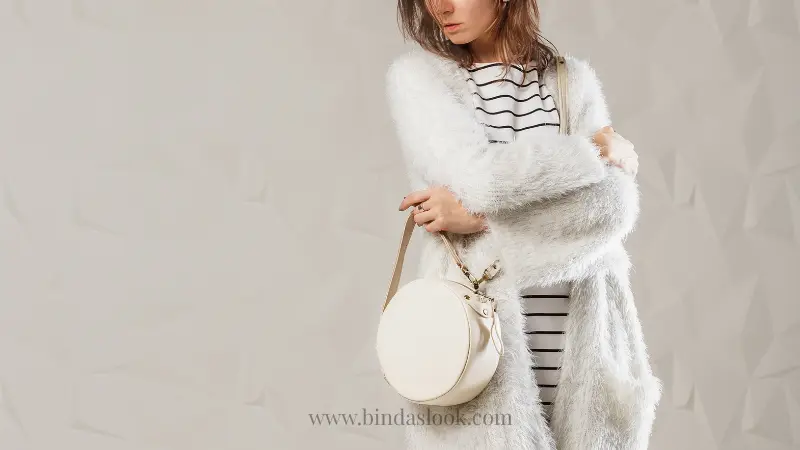
Game Changer: 4 Lab-Grown Fabrics Set to Disrupt Traditional Fashion by 2026
At BindasLook.com, we believe that fashion should be as forward-thinking as it is beautiful. The global textile industry, rich in history and innovation, stands at the cusp of a groundbreaking transformation. For centuries, our wardrobes have been shaped by natural fibers like cotton, silk, and wool, alongside synthetic staples such as polyester and nylon. While these materials have served us well, the fashion world is now facing an urgent call for sustainability, ethical production, and revolutionary aesthetics. This is where lab-grown fabrics step in, promising to redefine how we think about what we wear.
As experts in fashion trends, textile science, and styling, we have systematically analyzed the landscape of emerging materials. The year 2026 isn't just around the corner; it represents a pivotal moment when cutting-edge textile innovations, born from biotechnology and material science, are poised to move from research labs to mainstream production, truly disrupting traditional fashion. These aren't mere alternatives; they are superior solutions that offer unparalleled benefits in terms of environmental impact, performance, and ethical sourcing.
Join us as we delve into the world of four game-changing lab-grown fabrics that are set to revolutionize our closets, our planet, and the very essence of style. We'll explore what makes them so extraordinary, how they're produced, and what this means for your future fashion choices.
The Rise of Lab-Grown Fabrics: A Sustainable Revolution
The fashion industry's environmental footprint is undeniable, from water-intensive cotton farming and pesticide use to the microplastic pollution caused by synthetic textiles and the ethical concerns surrounding animal-derived products. Consumers, now more aware and conscientious than ever, are demanding change. This demand has fueled an incredible surge in biomaterial research and development, leading to the creation of fabrics that are not only sustainable but also high-performing and luxurious.
Why Lab-Grown? Addressing Fashion's Environmental Footprint
Traditional fabric production often involves processes that deplete natural resources, generate significant waste, and contribute to pollution. For instance, conventional cotton cultivation requires vast amounts of water and pesticides, while animal-derived materials like leather and fur raise ethical questions and contribute to greenhouse gas emissions. Synthetic fibers, though durable, are typically petroleum-based and can take hundreds of years to decompose.
Lab-grown fabrics offer a compelling solution. By leveraging advancements in microbiology, cellular agriculture, and bio-engineering, scientists are able to "grow" textile fibers in controlled environments. This approach dramatically reduces the need for land, water, and harmful chemicals, offering a closed-loop system that minimizes waste. It's about designing textiles from the molecular level up, creating materials that are intrinsically sustainable, ethical, and engineered for superior performance. This shift is not just a trend; it's a fundamental re-imagining of the fashion supply chain, aligning perfectly with the ethos of Sustainable Fashion Trends 2026: The Style Revolution - BindasLook.in.
The Game-Changers: 4 Lab-Grown Fabrics Redefining Textiles
Let's dive into the innovative materials that are set to become household names by 2026.
1. Mycelium Leather: Nature's Answer to Animal Hides
Imagine a leather that's grown in a lab, entirely plant-based, yet boasts the same luxurious feel, durability, and versatility as traditional animal leather. That's mycelium leather. Mycelium is the root structure of fungi, a vast network of threads that grows naturally in soil. Through carefully controlled processes, these fungal networks can be cultivated to form sheets of material that mimic the strength, texture, and aesthetic of animal leather.
- The Science Behind It: Companies like MycoWorks and Bolt Threads are culturing mycelium on agricultural waste substrates. The growth conditions—temperature, humidity, nutrient supply—are meticulously managed to produce a material with desired properties. Once grown, the mycelium sheets are harvested, treated, and processed into a leather-like fabric.
- Benefits: Mycelium leather is vegan, cruelty-free, and significantly more sustainable than traditional leather, requiring far less water and land, and emitting fewer greenhouse gases. It's also often biodegradable, reducing end-of-life impact. It can be engineered for various finishes, colors, and textures, offering designers immense creative freedom.
- Current Status & Future: Brands like Stella McCartney and Hermès have already experimented with mycelium leather in limited-edition collections. By 2026, we expect to see wider adoption, particularly in accessories (handbags, wallets, shoes) and outerwear, making luxury fashion more accessible and ethical.
- How to Style Mycelium Leather: Embrace its modern, ethical appeal. A structured mycelium leather jacket can elevate a simple kurta-pant set. A sleek mycelium clutch can add a touch of sustainable luxury to a festive saree or an evening gown. Treat it like high-quality traditional leather, pairing it with everything from Kurti with Jeans Style Guide for Modern Indian Women to elegant ethnic wear.
2. Bio-Synthesized Silk: Luxury Reimagined
Silk, with its exquisite drape and lustrous sheen, has long been a symbol of luxury. However, traditional silk production relies on silkworms, raising ethical concerns and involving a resource-intensive process. Bio-synthesized silk, often referred to as "vegan silk," offers a sustainable and ethical alternative without compromising on quality or aesthetics.
- The Science Behind It: This innovative fabric is created by engineering microbes (like yeast or bacteria) to produce silk proteins through fermentation, similar to how insulin is made. These proteins are then extracted, purified, and spun into fibers that replicate the molecular structure and properties of natural silk.
- Benefits: Bio-synthesized silk is cruelty-free, requires no land for mulberry farming, and uses significantly less water and energy than traditional silk. It can be engineered for enhanced properties like strength, elasticity, and even specific textures, opening new avenues for textile design. It offers the same breathable comfort and luxurious feel that traditional silk is known for.
- Current Status & Future: Pioneering companies such as Bolt Threads (with their Microsilk™) have demonstrated the viability of bio-synthesized silk. By 2026, we anticipate seeing this material not only in high-end couture but also in premium ready-to-wear garments, lingerie, and even home textiles.
- Garment Care Tips: Treat bio-synthesized silk with the same care as traditional silk. Hand wash gently with a mild detergent, avoid harsh chemicals, and air dry away from direct sunlight. Iron on a low setting. This preserves its delicate structure and luxurious feel for years to come.
3. Lab-Grown Cotton & Cellulose Fibers: The Future of Everyday Wear
Cotton is a global staple, but its environmental cost is staggering. Lab-grown cotton and other cellulose fibers aim to provide the comfort and versatility of natural fibers without the ecological burden. This category includes innovations like recycled cotton grown from textile waste and new forms of cellulose derived from sustainable feedstocks.
- The Science Behind It: This isn't about growing a cotton plant in a lab, but rather about creating cotton fibers from cellulose in a controlled biotechnological process. Another promising area is the enzymatic deconstruction of textile waste (e.g., old cotton garments) back into cellulose, which can then be re-spun into new, high-quality fibers. This closes the loop on textile waste. Similarly, cellulose can be sourced from fast-growing, non-food plants or even agricultural residues, then processed into textile fibers.
- Benefits: Reduced water consumption (up to 95% less than conventional cotton), elimination of pesticides, and a significant decrease in land use. These processes also offer the potential for consistent quality and engineered performance characteristics, such as enhanced softness, strength, or moisture-wicking properties. The circular aspect of recycling old textiles into new ones is a massive step towards a truly sustainable fashion ecosystem.
- Current Status & Future: While still developing, companies are making strides in textile-to-textile recycling at scale. By 2026, we expect to see "new cotton" labels becoming more common in everyday wear – from t-shirts and denim to innerwear and home goods. Imagine a world where your old jeans become your new ones!
- Shopping Advice: Look for labels that highlight "recycled cellulose," "bio-engineered cotton," or similar descriptions. These fabrics will feel familiar but come with a much cleaner conscience. They offer excellent breathability and comfort, making them perfect for everyday ethnic wear like kurtas, palazzos, and casual sarees. When learning about the nuances of different fibers, our Indian Textiles Guide: 10 Must-Know Fabrics for Every Woman - BindasLook.in offers a great foundation.
4. Recycled & Bio-Based Synthetics (Next-Gen): Performance with a Conscience
While traditional synthetics like polyester and nylon have their drawbacks, their performance — durability, elasticity, water resistance — is invaluable. Next-generation lab-grown synthetics aim to retain these benefits while drastically improving their environmental profile. This includes advanced recycling techniques for existing synthetics and bio-based alternatives.
- The Science Behind It: Chemical recycling processes break down polyester and nylon waste into their molecular building blocks, which can then be re-polymerized into virgin-quality fibers, enabling infinite recycling without degradation. On the bio-based front, scientists are developing plastics from renewable resources like sugar cane, corn starch, or algae, which can then be spun into high-performance fibers that mimic conventional synthetics but are either biodegradable or have a significantly lower carbon footprint.
- Benefits: Reduces reliance on fossil fuels, diverts plastic waste from landfills and oceans, and minimizes energy and water consumption. These new synthetics offer the same performance benefits – stretch, wrinkle resistance, quick-drying – making them ideal for activewear, outerwear, and even durable ethnic ensembles.
- Current Status & Future: Brands are increasingly using recycled polyester (rPET) in their collections, but chemical recycling is taking it to the next level. Bio-based nylons and polyesters are emerging from labs. By 2026, these materials will be common in performance-oriented fashion, offering durable, easy-care options that are also environmentally responsible.
- Outfit Recommendations: Consider garments made from these next-gen synthetics for your travel wardrobe, festive wear that requires structure, or for everyday pieces that need to withstand frequent washing. A tunic in a bio-based synthetic blend could be paired with cotton trousers for a stylish, low-maintenance look.
Comparing the Innovation: Traditional vs. Lab-Grown Fabrics
To help you understand the profound impact of these innovations, here's a quick comparison:
| Feature | Traditional Fabrics (e.g., Cotton, Silk, Leather, Polyester) | Lab-Grown Fabrics (e.g., Mycelium Leather, Bio-Synthesized Silk, Lab-Grown Cotton) |
|---|---|---|
| Resource Consumption (Water, Land, Energy) | Generally high; extensive farming/ranching, manufacturing processes. | Significantly lower; controlled environment, optimized inputs, often circular. |
| Environmental Impact (Pesticides, GHG Emissions, Waste) | Often high; chemical use, methane emissions, non-biodegradable waste. | Substantially lower; minimal chemical use, reduced emissions, often biodegradable/recyclable. |
| Ethical Concerns | Animal welfare (leather, silk), labor practices in conventional farming. | Cruelty-free, no animal involvement, potential for fairer labor practices in controlled settings. |
| Performance & Aesthetics | Well-established properties, can vary based on natural inconsistencies. | Can be engineered for specific, consistent properties (strength, feel, drape), often comparable or superior. |
| Scalability & Cost (Current) | Mass production, generally lower cost for bulk. | Emerging technology, currently higher R&D and production costs, but scaling rapidly. |
| Biodegradability & Recyclability | Natural fibers biodegradable, synthetics non-biodegradable. Recycling challenging. | Often designed to be biodegradable or infinitely recyclable. |
The Impact on Fashion: Beyond Sustainability
The advent of lab-grown fabrics goes far beyond just reducing our environmental footprint. It impacts the very ethos and economics of the fashion world.
Economic & Ethical Implications
These new materials promise greater supply chain stability, less reliance on fluctuating agricultural yields, and reduced exposure to geopolitical risks. For brands, it offers a powerful narrative of innovation and responsibility, resonating with a growing market of conscious consumers. Furthermore, the ethical benefits—elimination of animal cruelty, fairer labor conditions in controlled facilities—are immense, transforming the industry's moral compass.
Style Evolution: Embracing the New Age
Designers are no longer constrained by the limitations of traditional materials. Imagine fabrics that can be programmed for specific textures, colors, or performance characteristics from the outset. This unlocks unparalleled creative freedom, leading to garments that are not only sustainable but also uniquely innovative in their form and function. We will see bolder designs, more intricate details, and a seamless blend of aesthetics and ethics in future collections. We at BindasLook are excited to be at the forefront of showcasing modern ethnic wear that embraces these innovations, helping you find BindasLook - Trending Ethnic Wear for Women crafted with the future in mind.
Integrating Lab-Grown Fabrics into Your Wardrobe
As these innovative textiles become more available, you might wonder how to incorporate them into your personal style. Here's our guide:
Shopping Smart: What to Look For
When you see garments made from mycelium leather, bio-silk, or advanced recycled materials, don't shy away. Look for certifications and transparency statements from brands that explicitly mention the source and production method. Reputable brands will be proud to share their sustainability credentials. Expect to see terms like "vegan leather," "bio-engineered textile," "circular fiber," or specific company names (e.g., MycoWorks, Bolt Threads).
Garment Care for Future Textiles
While specific care instructions will always be on the garment label, a general rule of thumb for these advanced materials is often gentler care. Many are designed to be durable, but precise care helps maintain their integrity and extends their lifespan. For instance, bio-silks might require hand washing, while lab-grown cottons could be machine-washable on a delicate cycle. Always refer to the brand's guidelines.
The Road Ahead: Challenges and Opportunities
While the future of lab-grown fabrics looks bright, challenges remain. Scaling production to meet global demand, reducing costs to make them widely accessible, and educating consumers about their benefits are key hurdles. However, the opportunities are far greater. These materials represent a pathway to a truly circular fashion economy, where waste is minimized, resources are conserved, and style is never compromised for sustainability. We envision a future where traditional Indian clothing and contemporary ethnic designs seamlessly integrate these cutting-edge fabrics, offering both heritage and innovation.
The journey to 2026 will be exciting, marked by rapid advancements and increasing mainstream adoption. As fashion experts, we at BindasLook.com are committed to keeping you informed and helping you navigate this thrilling evolution in style.
Frequently Asked Questions (FAQs)
Q1: Are lab-grown fabrics safe for my skin?
A: Yes, absolutely. Lab-grown fabrics are designed with consumer safety in mind. They often eliminate the use of harsh chemicals associated with traditional textile processing and are developed under sterile, controlled conditions. Many are hypoallergenic and biodegradable, making them excellent choices for sensitive skin.
Q2: Will lab-grown fabrics be affordable for everyday shoppers?
A: Currently, the initial cost of developing and producing these advanced materials can be higher due to research and smaller production scales. However, as technology matures and production scales up, costs are expected to decrease significantly. By 2026 and beyond, we anticipate them becoming competitive with, and eventually more affordable than, traditional premium fabrics, especially considering their long-term environmental benefits.
Q3: How durable are these new fabrics compared to traditional ones?
A: Many lab-grown fabrics are engineered to be highly durable, often surpassing their traditional counterparts in specific performance metrics. For instance, bio-synthesized silks can be stronger than natural silk, and mycelium leather is developed to withstand wear and tear. Their consistency in production also means fewer flaws and a more uniform quality.
Q4: Can I find ethnic wear made from lab-grown fabrics?
A: While currently less common, the trend is rapidly growing. As designers embrace these materials for their sustainability and versatility, we expect to see them integrated into various forms of ethnic wear, from modern kurtas and fusion outfits to elegant sarees and lehengas. BindasLook.com is actively exploring partnerships to bring you the best of modern ethnic fashion made with these revolutionary textiles.
Q5: What's the difference between "vegan leather" and "mycelium leather"?
A: "Vegan leather" is a broad term for any non-animal leather, often made from polyurethane (PU) or polyvinyl chloride (PVC), which are petroleum-based plastics. While vegan, these can have their own environmental drawbacks. Mycelium leather, on the other hand, is a specific type of vegan leather derived from fungal root structures, making it bio-based, often biodegradable, and a much more sustainable and natural alternative to both traditional leather and plastic-based vegan leathers.
Q6: Are there any downsides to lab-grown fabrics?
A: The primary challenges currently revolve around scaling production, ensuring cost-effectiveness, and consumer education. Some specific materials might have unique care requirements. However, the scientific community is continuously working to overcome these limitations, and the long-term benefits largely outweigh these initial hurdles.
The Future is Now: Embrace Sustainable Style
The world of fashion is always evolving, but rarely do we witness such a profound and impactful shift as the one ushered in by lab-grown fabrics. These innovations are not just about creating new textiles; they are about fostering a responsible, ethical, and truly sustainable future for what we wear. At BindasLook.com, we are excited to be part of this revolution, offering you insights, styling advice, and eventually, collections that embody this visionary approach to fashion.
As conscious consumers and style enthusiasts, your choices have power. By embracing these innovative materials, you're not just buying a garment; you're investing in a better future for fashion and our planet. The year 2026 promises to be a landmark, and we're thrilled to journey there with you, one revolutionary fabric at a time. Explore more about future fashion and sustainable choices on our platform.
References: