First Impressions Matter: Why a Kurti is a Smart Choice for Your Job Interview
Hey there, aspiring professionals! Getting ready for a job interview can be a mix of excitement and nerves, right? You've prepped your answers, researched the company, and now comes the big question: What to wear? While western formal wear often comes to mind, a well-chosen kurti can be your secret weapon for making a stellar first impression, especially in the Indian professional landscape.
Many of us grew up seeing our mothers, aunts, and even our older sisters wear kurtis to work. It’s a comfortable, elegant, and culturally appropriate choice that, when styled correctly, exudes confidence and professionalism. Forget the misconception that kurtis are only for casual wear. With the right selection, you can rock a kurti that’s just as, if not more, impactful than a pant suit!
This guide is all about helping you pick the perfect kurti ensemble that says, “I’m capable, confident, and ready for this job!”
Why Choose a Kurti for Your Big Interview?
You might be wondering, why a kurti over other options? Here are a few compelling reasons:
- Comfort is Key: Interviews can be long, and comfort allows you to focus on your answers, not on fidgeting with your clothes. Kurtis, especially those made from breathable fabrics, offer unmatched comfort.
- Cultural Appropriateness: In many Indian workplaces, a well-dressed kurti set is considered perfectly professional and respectful of local sensibilities. It shows you understand and appreciate the cultural context.
- Elegant and Polished: When chosen wisely, a kurti can look incredibly chic and sophisticated. It offers a unique blend of traditional elegance and modern professionalism.
- Versatility: Kurtis come in a vast array of styles, allowing you to find one that perfectly fits your personality while adhering to professional norms.
- Budget-Friendly Options: You can find stunning, professional kurtis across a wide price range, from as little as 300 INR to over 5,000 INR, making them accessible for various budgets.
The Anatomy of an Interview-Ready Kurti: What to Look For
Not all kurtis are created equal, especially when it comes to a job interview. Here’s a breakdown of what to consider:
1. Fabric: The Foundation of Comfort and Class
- Cotton: Your best friend! Cotton is breathable, comfortable, and looks crisp. Opt for good quality cotton that doesn’t wrinkle too easily. It’s perfect for almost any industry.
- Rayon: A great alternative to cotton, rayon drapes beautifully and has a slight sheen without being too flashy. It’s comfortable and looks professional.
- Linen: Known for its luxurious feel and excellent breathability, linen kurtis are a fantastic choice, though they can wrinkle easily. A well-ironed linen kurti speaks volumes about your attention to detail.
- Chanderi Silk / Blended Silk (Matte Finish): If you want a touch of sophistication, a chanderi silk or a blended silk kurti with a subtle, matte finish can be elegant. Avoid anything too shiny or heavily embellished, as it can appear more festive than formal.
- Avoid: Georgette, chiffon, net, or excessively sheer fabrics. Also, stay away from heavily embroidered or sequined kurtis. They are too informal or party-like for an interview setting.
2. Style and Cut: Keep it Structured and Simple
- Straight-Cut Kurti: This is arguably the safest and most professional option. It offers a clean, streamlined look that is universally flattering.
- A-Line Kurti: A subtle A-line that flares gently from the waist can also be a good choice, especially if it’s not too wide or flowy.
- Subtle Anarkali: For certain industries (like fashion or more traditional roles), a very subtle, minimal flare Anarkali might work, but generally, it’s best to stick to straight or A-line. Ensure it’s not too voluminous.
- Avoid: Asymmetrical hems, high-low cuts, too many layers, or very baggy styles. These are often too casual or trendy for a formal interview.
3. Length: The Goldilocks Zone
- Knee-length to Calf-length: This range is ideal. A kurti that ends anywhere between your knee and mid-calf is considered appropriate.
- Avoid: Very short kurtis (above the knee) or ankle-length ones that might look too casual or too formal (like a gown) respectively.
4. Sleeves: Modesty and Professionalism
- Three-Fourth Sleeves: This is the gold standard for professional kurti wear. It looks polished and sophisticated.
- Full Sleeves: Also a great option, especially in cooler weather or for more conservative work environments.
- Avoid: Sleeveless, cap sleeves, or very short sleeves. These can be perceived as too casual or informal for an interview.
5. Neckline: Simple and Elegant
- Boat Neck, Round Neck, Mandarin Collar, Simple V-Neck: These are all excellent choices. They offer a neat, professional appearance without revealing too much.
- Avoid: Deep plunging necklines, off-shoulder, cold-shoulder, or very wide necklines. Keep it modest and appropriate for a corporate setting.
6. Color Palette: Go for Serenity and Confidence
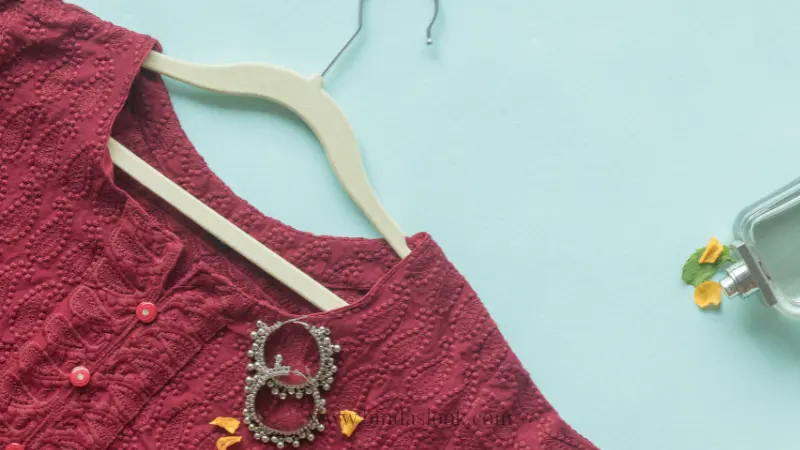
- Solid Colors: Navy blue, charcoal grey, black, beige, white, cream, olive green, maroon, and subtle pastels (like powder blue, mint green, or light peach) are fantastic choices. They convey professionalism and seriousness.
- Muted Prints: If you prefer prints, opt for very subtle, small-scale patterns like tiny florals, abstract motifs, or geometric designs. The print should not be distracting.
- Avoid: Very bright, neon, or flashy colors. Also, stay away from large, bold, or overly intricate prints that can distract the interviewer.
Completing Your Ensemble: Pairing Your Kurti for Success
A kurti doesn’t stand alone. The right accompaniments can elevate your look from good to outstanding.
1. Bottoms: The Perfect Match
- Straight Pants/Cigarette Pants: These are your best bet. They offer a sharp, modern, and professional silhouette that pairs perfectly with a straight-cut kurti.
- Palazzos (Subtle): If you choose palazzos, ensure they are well-tailored, not too wide, and made from a fabric that drapes well. Avoid very flowy or heavily pleated palazzos.
- Churidars/Leggings: While comfortable, they can sometimes appear a bit too casual for a formal interview. If you do wear them, ensure they are well-fitting and made of good quality fabric, and pair them with a longer kurti.
- Avoid: Jeans, capris, or overly casual pajamas.
2. Dupatta or Scarf: Optional but Elegant
- A simple, solid-colored dupatta or a scarf that complements your kurti can add a touch of grace. Ensure it’s neatly draped or pinned, not too bulky, and doesn’t have excessive embellishments.
- For many modern workplaces, skipping the dupatta is also perfectly acceptable and can give a more contemporary, streamlined look.
3. Footwear: Walk in with Confidence
- Closed-Toe Heels or Flats: Pumps, block heels, formal juttis, or sophisticated ballet flats are ideal. Ensure they are clean, comfortable, and in a neutral color (black, brown, beige).
- Avoid: Open-toe sandals, flip-flops, sneakers, or overly embellished footwear.
4. Accessories: Less is More
- Minimalist Jewelry: Small stud earrings or simple hoops, a delicate necklace (if your neckline allows), and a professional watch are sufficient.
- Structured Bag: A neat, structured handbag or tote in a neutral color will complete your look.
- Avoid: Chunky jewelry, bangles that jingle, statement necklaces, or oversized bags. You want the focus to be on you, not your accessories.
What to Strictly Avoid When Choosing Your Interview Kurti
Just as important as knowing what to wear is knowing what NOT to wear. Steering clear of these can save you from an accidental fashion faux pas:
- Loud Prints and Colors: Anything that screams for attention will distract from your professional demeanor.
- Heavy Embellishments: Sequins, heavy embroidery, mirrors, or glitter are best reserved for festive occasions, not job interviews.
- Sheer or Transparent Fabrics: No matter how confident you are, see-through materials are a definite no-go for a professional setting.
- Ill-fitting Clothes: Too tight or too baggy can both give a sloppy impression. Your kurti should fit well without being restrictive.
- Deep or Revealing Cuts: Necklines, slits, or sleeve designs that are too revealing can be unprofessional.
- Unironed or Stained Clothes: This is a universal rule! Always present yourself in clean, well-pressed attire.
Real-World Scenarios: Kurti Choices for Different Industries
While the general rules apply, you can slightly tailor your kurti choice based on the industry:
- Corporate/IT Sector: Stick to solid, neutral-colored straight-cut cotton or rayon kurtis with straight pants. Think navy blue, grey, or beige. A mandarin collar or boat neck works perfectly.
- Creative/Marketing Roles: You might have a little more leeway. A subtle print in a soft pastel shade or a slightly more stylish cut (still professional!) might be acceptable. Ensure it’s still polished.
- Education/Healthcare: Modesty and comfort are paramount. Cotton kurtis in solid colors or minimal prints, paired with churidars or straight pants, are excellent.
- Start-ups: While often more relaxed, a professional kurti still makes a great impression. You can opt for a smart, modern straight-cut kurti with contemporary elements but maintain the professional vibe.
Budgeting for Your Interview Outfit
You don't need to break the bank to look professional. Here's a quick guide:
- Economical Choices (300 INR - 1,000 INR): You can find good quality cotton or rayon kurtis from local markets, online sales, or brands like Biba, Aurelia, or W during their sale periods. Look for solid colors or subtle prints.
- Mid-Range Options (1,000 INR - 3,000 INR): This range offers better fabric quality, stitching, and a wider variety of professional designs from established brands. You might find attractive kurti-pant sets here.
- Premium Choices (3,000 INR+): For designer labels or higher-end fabrics like linen silk, prices will naturally be higher. If your budget allows, these can offer exceptional finish and comfort.
Remember, it's about smart shopping and finding a piece that looks good and makes you feel confident, not necessarily the most expensive one.
Final Thoughts: Confidence is Your Best Accessory
Ultimately, while your attire is important, your confidence, communication skills, and preparation will seal the deal. A well-chosen kurti simply helps you feel your best, allowing your true abilities to shine through.
When you walk into that interview room, let your professionally styled kurti be a testament to your attention to detail and your respect for the opportunity. Stand tall, speak clearly, and believe in yourself. Good luck, you've got this!