The Evolution of Fashion Retail: More Than Just Garments
In an age where everything is just a click away, the physical fashion store might seem like an anachronism. Yet, a quiet revolution is underway. Modern fashion stores are shedding their traditional roles as mere transactional spaces, evolving into vibrant, multi-senssensory environments where the clothes, while still central, are only a part of a much larger, more immersive experience. This shift towards 'experiential retail' acknowledges that today's consumers seek more than just products; they crave connection, inspiration, and memorable moments. Bindaslook recognizes this paradigm shift, understanding that even in the digital realm, the essence of an engaging fashion journey is paramount.
Why the Shift? Consumer Demand and Digital Competition
The impetus for this transformation stems from two primary forces: discerning consumer demand and fierce online competition. E-commerce platforms offer unparalleled convenience and selection, often at competitive prices. To draw customers back into brick-and-mortar locations, stores must offer something unique that online shopping cannot replicate. This 'something' is an experience – a reason to visit, linger, and connect with a brand on a deeper level.
- The Desire for Connection: Consumers, especially younger generations, want to feel a bond with the brands they support. They value authenticity, transparency, and a sense of community.
- Sensory Engagement: While digital displays are powerful, they cannot replicate the feel of luxurious fabrics, the subtle scent of a boutique, or the carefully curated soundtrack that defines a brand's ambiance.
- Personalization: In a world saturated with choices, bespoke recommendations and tailored services stand out.
- Entertainment and Discovery: Shopping is increasingly viewed as a leisure activity, an opportunity for discovery and entertainment rather than just a chore.
Key Elements Defining the Experiential Fashion Store
What exactly goes into creating these captivating spaces? It's a meticulous blend of design, technology, service, and storytelling.
1. Immersive Environments and Store Design
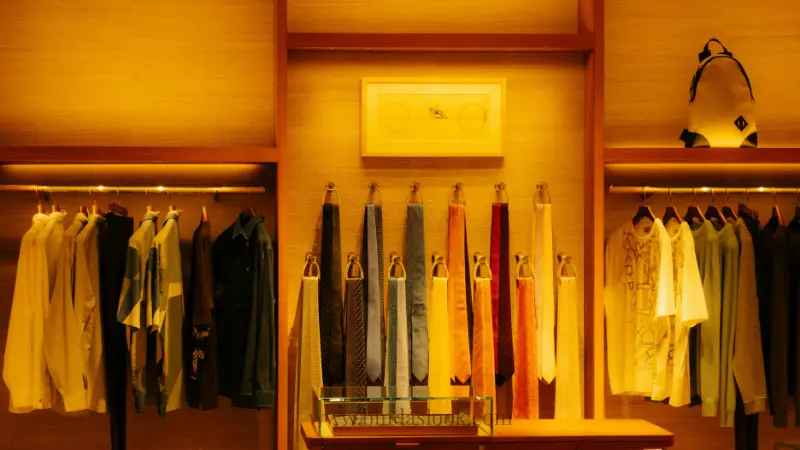
The physical space itself becomes a canvas for the brand's identity. No longer are stores simply racks of clothes and cash registers. They are architectural marvels, art galleries, and comfortable lounges all rolled into one.
- Atmosphere and Aesthetics: Lighting, music, scent, and even temperature are carefully controlled to evoke a specific mood. High-end boutiques might use soft, warm lighting and classical music, while streetwear stores might opt for neon lights and upbeat tracks.
- Art and Installations: Many stores incorporate art installations, digital displays, and unique decor that align with their brand philosophy, making each visit a visual treat.
- Flexible Layouts: Spaces are designed to be adaptable, hosting events, pop-ups, and new collections with ease.
2. Personalized Service and Human Connection
While technology plays a crucial role, the human element remains irreplaceable. Highly trained staff elevate the shopping journey from transactional to transformational.
- Personal Stylists and Consultants: Offering expert advice, outfit curation, and one-on-one attention helps customers discover pieces that truly fit their style and needs. This moves beyond basic sales assistance to a genuine advisory role.
- Tailoring and Customization: On-site tailoring services or options for bespoke items add a layer of exclusivity and perfect fit, making the garment uniquely theirs.
- Clienteling: Building long-term relationships with customers, remembering their preferences, and proactively suggesting new arrivals create a loyal clientele.
3. Seamless Technology Integration
Technology isn't just for online shopping; it's being cleverly integrated into physical stores to enhance engagement and convenience.
- Smart Mirrors: These allow customers to try on clothes virtually, see different sizes or colors, and even request items from staff without leaving the changing room.
- Augmented Reality (AR) and Virtual Reality (VR): AR apps can help customers visualize how an outfit would look on them or how a piece might fit into their existing wardrobe. VR can transport them to fashion shows or brand origin stories. For a deeper dive into how tech is reshaping the retail landscape, consider exploring articles on AI-powered shoppable runways.
- Interactive Displays: Touchscreen kiosks provide product information, styling tips, and inventory checks, empowering customers with self-service options.
- RFID Tags: Streamline inventory management and enable faster checkouts, freeing up staff to focus on customer service.
4. Events, Workshops, and Community Building
Fashion stores are becoming cultural hubs, offering more than just merchandise.
- Fashion Shows and Product Launches: Hosting exclusive events allows customers to be part of the brand's narrative and get a first look at new collections.
- Styling Workshops: Providing practical advice on how to wear certain trends or care for garments adds value beyond the purchase.
- Collaborations and Pop-ups: Partnering with local artists, designers, or other lifestyle brands creates fresh reasons for customers to visit and discover new offerings.
- Cafes and Lounges: Integrating food and beverage options encourages longer stays and transforms the store into a social destination. Imagine sipping a coffee while browsing the latest collection, turning shopping into a relaxed outing.
5. Storytelling and Brand Philosophy
Every element of an experiential store works together to tell a coherent story, deepening the customer's understanding and appreciation of the brand.
- Brand Heritage: Showcasing the history, craftsmanship, and values behind the garments helps customers connect with the brand's legacy.
- Sustainability Initiatives: Many brands use their physical spaces to highlight their eco-friendly practices, ethical sourcing, and commitment to social responsibility, resonating with conscientious consumers.
- Curated Collections: Presenting collections in a thoughtful, thematic manner guides the customer through the brand's vision for the season, making the process of discovery more engaging. When you shop at Bindaslook, you encounter a curated selection designed to tell a story through fashion.
The Benefits: For Both Brands and Buyers
The move towards experiential retail offers significant advantages for both fashion brands and their clientele.
For Consumers:
- Enhanced Engagement: Shopping becomes an enjoyable activity, not just a necessity.
- Discovery and Inspiration: Customers can stumble upon new styles, brands, and ideas they might not have found online. Exploring diverse fashion categories can spark new inspiration.
- Confidence in Purchase: The ability to touch, feel, and try on items in a supportive environment reduces buyer's remorse.
- Memorable Moments: Experiences create lasting memories, turning a simple purchase into a significant event.
For Brands:
- Differentiation: Unique in-store experiences set a brand apart from competitors, both online and offline.
- Increased Loyalty: Customers who have a positive and engaging experience are more likely to return and become brand advocates.
- Higher Perceived Value: The investment in experience can justify higher price points, as customers are paying for more than just the product.
- Data Collection: In-store technology and interaction can provide valuable insights into customer preferences and behaviors, informing future strategies.
- Brand Storytelling: Physical spaces offer a powerful medium to communicate brand values and heritage in a tangible way.
Leading the Charge: Examples in Experiential Fashion
From global luxury powerhouses to niche independent boutiques, brands across the spectrum are embracing this trend:
- Luxury Flagships: Many high-end brands invest millions in their flagship stores, transforming them into architectural masterpieces that double as art galleries or event venues. These spaces are less about high-volume sales and more about solidifying brand prestige and offering an aspirational experience.
- Department Stores Reinvented: Traditional department stores are fighting back against online giants by creating more curated, boutique-like sections, incorporating cafes, beauty bars, and personal styling suites to offer a more holistic lifestyle experience.
- Innovative Independents: Smaller brands are leveraging creativity, community events, and hyper-personalized service to carve out their niche, often becoming local favorites due to their unique atmosphere.
Even for online-first platforms like Bindaslook, the principles of experiential retail are critical. While we don't have a physical store, our commitment to a seamless user journey, detailed product descriptions, high-quality imagery, and helpful customer service aims to replicate the discovery and confidence of a great in-store experience digitally.
The Future is Experiential: A Glimpse Ahead
The trajectory of fashion retail is clear: the future is deeply experiential. Expect to see even more sophisticated integration of AI, personalization, and interactive elements. Stores may evolve into dynamic hubs that blend shopping with entertainment, education, and social connection. The lines between retail, hospitality, and cultural institutions will continue to blur, offering consumers unprecedented ways to engage with their favorite fashion brands.
The value proposition of a fashion store is no longer solely tied to the transaction of clothes. It's about the feeling, the memory, and the connection forged within those walls. As brands continue to innovate, they remind us that sometimes, the most exquisite part of fashion isn't what you buy, but how you feel while buying it. It’s a journey, not just a destination, and every element, from the scent in the air to the expert advice, contributes to making that journey unforgettable.