Build a Sustainable Wardrobe: Enduring Fashion Trends for 2026 and Beyond
In an era increasingly defined by environmental consciousness and ethical considerations, the fashion industry stands at a critical juncture. The incessant churn of seasonal trends, often driven by fast fashion cycles, has contributed significantly to global waste and resource depletion. As expert SEO content strategists and professional writers deeply embedded in the fashion discourse, we systematically analyzed market shifts, consumer sentiment, and ecological imperatives to identify a compelling trajectory: the undeniable rise of the sustainable wardrobe built on enduring fashion trends. For 2026 and beyond, the focus is unequivocally on longevity, quality, and timeless style.
The Imperative of Sustainable Fashion: Beyond Ephemeral Trends
The concept of a sustainable wardrobe is not merely a passing fad; it is a fundamental shift towards responsible consumption and mindful living. The environmental footprint of the fashion industry is staggering, from the vast water consumption in cotton cultivation to the chemical pollution from dyeing processes and the mounting textile waste in landfills. We recognize that true sustainability extends beyond eco-friendly materials; it encompasses the entire lifecycle of a garment, from its design and production to its wearability and eventual disposal. Consumers are increasingly aware of these issues, driving a demand for transparency and ethical practices. For a deeper dive into the broader implications, we encourage you to explore our article on Sustainable Fashion Impact 2026: Beyond the Hype - BindasLook.in.
Pillars of an Enduring Wardrobe: Quality, Timelessness, and Versatility
Building a wardrobe that stands the test of time requires a strategic approach. We have identified several core pillars that underpin an enduring fashion philosophy:
- Quality Over Quantity: Investing in high-quality garments made from durable materials ensures they last longer, reducing the need for frequent replacements. This directly combats the 'wear it once' culture perpetuated by fast fashion.
- Timeless Design: Opting for classic silhouettes, neutral colors, and understated patterns ensures your clothing remains stylish regardless of fleeting trends. Think of pieces that transcend seasons and years.
- Versatility: Every item in a sustainable wardrobe should be capable of multiple styling options. A single kurti, for example, can be dressed up for a festive occasion or styled simply for office wear, maximizing its utility.
- Ethical Production: Understanding where and how your clothes are made is crucial. Supporting brands that prioritize fair labor practices, safe working conditions, and environmentally sound manufacturing processes is an integral part of sustainable fashion.
- Care & Longevity: Proper garment care—from washing techniques to storage—significantly extends the lifespan of clothing, making it a truly sustainable choice.
Identifying Enduring Fashion Trends for 2026 and Beyond
While the term "trends" might seem contrary to "enduring," we interpret enduring trends as styles, materials, and silhouettes that possess inherent longevity. These are the elements that consistently reappear, adapt, and remain relevant for years, even decades. Our analysis points to several key areas:
Classic Silhouettes with Modern Interpretations
The foundation of an enduring wardrobe lies in classic cuts that flatter diverse body types and remain elegant irrespective of the season. For 2026, we foresee a continued embrace of:
- Tailored Classics: Well-fitted blazers, structured trousers, and crisp shirts that can be mixed and matched effortlessly.
- Flowing Drapes: Garments with elegant drapes, like the timeless saree or sophisticated maxi dresses, offer comfort and style.
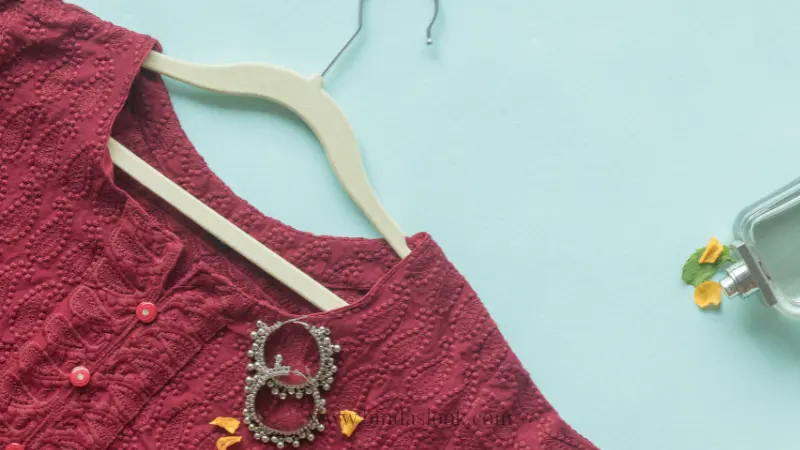
- Versatile Pieces: A maroon rayon kurti, for instance, exemplifies a garment that can be adapted for various occasions, making it a staple.
The Power of Neutral and Earthy Palettes
While bold colors have their place, a sustainable wardrobe thrives on a palette