Chikankari: Everything You Need to Know About India's Most-Searched Embroidery
Ever wondered about the magic woven into those beautiful, delicate white-on-white outfits you see everywhere? Chances are, you're looking at Chikankari, an exquisite form of hand embroidery that hails from the city of Lucknow in India. It's not just a textile art; it's a legacy, a fashion statement, and a comfort staple, especially the ever-popular chikankari kurti for women.
From movie stars to college students, everyone seems to have fallen in love with Chikankari. Its subtle elegance, breathable fabrics, and intricate patterns make it a go-to choice for various occasions. But what exactly is Chikankari, where did it come from, and why has it captured the hearts (and wardrobes) of so many people across the globe? Let's unravel this beautiful story.
What is Chikankari? A Glimpse into History
Chikankari, often referred to as 'Lucknowi Chikan,' is a traditional embroidery style believed to have been introduced to India by Nur Jahan, the wife of Mughal Emperor Jahangir, in the 17th century. Legend has it that Nur Jahan, herself a skilled embroiderer, was inspired by Turkish embroidery and fostered its development in Awadh (modern-day Lucknow).
Initially, Chikankari was done primarily with white thread on white muslin cloth, creating a subtle, shadow-like effect. It was considered a royal art, adorning garments for the Mughal nobility. Over centuries, it evolved, incorporating different fabrics, threads, and colours, but its essence – delicate handwork and timeless appeal – remained unchanged. It’s a painstaking process, often involving multiple artisans for a single piece, each specializing in a particular stitch.
This historical backdrop adds a layer of depth to every Chikankari piece, making it more than just clothing; it's a piece of living history you can wear.
The Art of Chikankari: A Symphony of Stitches
What makes Chikankari truly special are its diverse range of stitches. There are over 32 different types of Chikan stitches, each creating a unique texture and pattern. These stitches can be broadly categorized into three main types:
Flat Stitches (Tepchi, Bakhiya, Hool)
- Tepchi: A long, running stitch used to create a basic outline or fill a large area. It's one of the simplest yet foundational stitches.
- Bakhiya (Shadow Work): This is perhaps the most distinctive Chikan stitch. It's done from the backside of the fabric, so the embroidery appears as a shadow on the front, giving a delicate, ethereal look.
- Hool: A detached buttonhole stitch that creates a fine, eyelet effect in the fabric.
Embossed Stitches (Murri, Phanda, Keel Kangan)
- Murri: Small, French knots that resemble tiny rice grains. They are used to create raised patterns, adding a beautiful texture to the fabric.
- Phanda: Similar to Murri but larger and more knot-like. Phanda stitches are often used to create grape-like clusters or floral motifs.
- Keel Kangan: A fine chain stitch used to create tiny, intricate petals and delicate details within floral designs.
Jali Work (Openwork)
- This is a unique technique where the threads of the fabric are carefully pulled apart and held in place by minute stitches, creating a net-like or latticework effect without cutting the fabric. It requires immense precision and skill, giving the garment a light, airy feel.
The combination of these stitches creates the magic of Chikankari, turning simple fabric into a masterpiece. A skilled artisan meticulously plans which stitch to use where, creating depth, dimension, and beauty that machine embroidery simply cannot replicate.
Why Chikankari is More Than Just Embroidery
Beyond its aesthetic appeal, Chikankari holds significant cultural and social value. It's a heritage craft that has supported generations of artisans, primarily women, in and around Lucknow. This craft has been passed down from mothers to daughters, preserving not just a technique but an entire way of life.
In an age of fast fashion, Chikankari stands out as a symbol of slow fashion. Each piece is handmade, often taking weeks or even months to complete, depending on the intricacy. This makes every Chikankari garment a labour of love, rich in tradition and human touch. When you buy an authentic Chikankari piece, you're not just getting a beautiful garment; you're supporting sustainable livelihoods and preserving a precious art form.
Moreover, the subtle elegance of Chikankari makes it versatile. It's understated enough for daily wear yet sophisticated enough for special occasions, embodying a grace that transcends trends.
Chikankari Kurti for Women: The Modern Staple
If there's one garment that truly showcases the enduring popularity of Chikankari, it's the chikankari kurti for women. These kurtis have become an absolute wardrobe essential for women across all age groups, and for good reason:
-
Versatility Personified:
A chikankari kurti can effortlessly transition from a casual day out to a festive evening. Pair it with jeans for a chic, contemporary look, with palazzo pants for traditional comfort, or with churidars for a classic ethnic ensemble. Its versatility makes it suitable for office wear, college, family gatherings, or even a simple trip to the market.
-
Comfort is Key:
Chikankari is traditionally done on breathable fabrics like cotton, muslin, and georgette. This makes chikankari kurtis incredibly comfortable, especially in India's warm climate. The light and airy feel of the fabric, combined with the delicate embroidery, ensures you stay cool and stylish.
-
Elegant & Timeless:
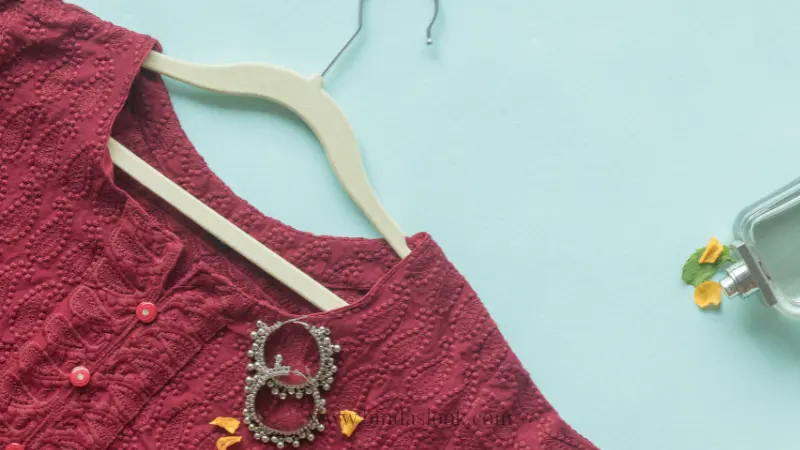
While fashion trends come and go, the elegance of a chikankari kurti remains timeless. The intricate patterns, often floral or paisley, add a touch of sophistication without being over the top. Available in a spectrum of colors today – from classic white to vibrant pastels and deep jewel tones – there's a chikankari kurti for every taste.
-
Styling Tips:
- Casual Chic: Pair a pastel chikankari kurti with white skinny jeans and comfortable flats. Add minimal silver jewelry.
- Festive Flair: Opt for a georgette or silk blend chikankari kurti in a rich color. Team it with matching palazzo pants, elegant earrings, and embellished juttis.
- Office Ready: A crisp white or muted-tone cotton chikankari kurti with tailored trousers and subtle heels gives a professional yet stylish look.
Beyond the Kurti: Exploring Other Chikankari Attire
While the chikankari kurti holds a special place, the embroidery graces a multitude of other garments and items:
- Sarees and Dupattas: Chikankari sarees and dupattas are cherished for their ethereal beauty, often worn for formal occasions or weddings.
- Lehengas and Anarkalis: For grander events, Chikankari lehengas and anarkali suits offer a regal yet understated charm.
- Men's Wear: Chikankari kurtas and sherwanis for men are equally popular, offering a sophisticated ethnic look.
- Home Decor: Cushions, table runners, and bedspreads adorned with Chikankari embroidery add a touch of traditional elegance to any home.
How to Spot Authentic Chikankari
With the surge in popularity, unfortunately, there are many machine-made imitations. Here's how to ensure you're investing in authentic hand-embroidered Chikankari:
- Examine the Reverse Side: True hand Chikankari will have neat, usually visible threadwork on the reverse side, especially with Bakhiya (shadow work) where the threads are purposefully on the back. Machine embroidery often has a messy or very uniform, flat finish on the back.
- Finishing: Hand embroidery tends to be softer and more organic. Feel the fabric and the embroidery; it should not feel stiff or overly coarse.
- Price: Genuine hand-embroidered Chikankari requires immense skill and time. Be wary of pieces that seem too cheap, as they are likely machine-made or of lower quality. A good chikankari kurti for women can range from INR 800 to INR 5,000 or more, depending on the fabric and intricacy.
- Slight Imperfections: Since it's handmade, minor variations or slight imperfections in stitch density or pattern are common and are actually a sign of authenticity, adding to its unique charm.
Caring for Your Chikankari Treasures
To preserve the beauty and longevity of your Chikankari garments, especially delicate chikankari kurtis, follow these care tips:
- Hand Wash Gently: Ideally, hand wash in cold water with a mild detergent. Avoid harsh scrubbing or twisting.
- Avoid Direct Sunlight: Dry in the shade to prevent colours from fading, especially if the embroidery uses coloured threads.
- Ironing: Iron on a low to medium setting, preferably on the reverse side or with a cloth over the embroidery, to protect the delicate stitches.
- Storage: Store your Chikankari pieces in a cool, dry place. For heavily embroidered items, consider wrapping them in muslin cloth to prevent snagging.
Chikankari's Global Appeal and Future
Chikankari has transcended its traditional roots, finding a place in global fashion. Designers are incorporating Chikankari into contemporary silhouettes, blending traditional craftsmanship with modern aesthetics. This evolution ensures that the art form remains relevant and continues to appeal to a younger, more global audience.
The rise of online platforms has also made Chikankari accessible worldwide, allowing enthusiasts to discover and purchase authentic pieces directly from artisans or ethical businesses. This global reach is crucial for the survival and prosperity of this precious craft, providing livelihoods to thousands and keeping a beautiful tradition alive.
Embrace the Elegance of Chikankari
Chikankari is more than just an embroidery; it's a narrative of history, skill, dedication, and beauty. Whether you're drawn to the classic allure of a white chikankari kurti for women or the vibrant hues of modern designs, each piece carries with it a touch of India's rich cultural tapestry. So, the next time you wear or admire a Chikankari garment, take a moment to appreciate the intricate artistry and the timeless story it tells.