The fashion landscape is a dynamic realm, ever-shifting with societal currents, technological advancements, and the distinctive voices of emerging generations. As we systematically analyze the trajectory of style, it becomes unequivocally clear that Generation Z, born roughly between the mid-1990s and the early 2010s, stands as a formidable force, reshaping paradigms and dictating the aesthetics that will define 2026 and beyond. This generation, often characterized by its digital native status, fierce individuality, and profound social consciousness, approaches fashion not merely as clothing, but as a potent medium for self-expression, identity exploration, and a reflection of deeply held values.
Unlike preceding generations that might have looked to traditional media or established designers for cues, Gen Z's style evolution is intrinsically linked to the internet, particularly social media platforms like TikTok, Instagram, and Pinterest. These digital arenas serve as both inspiration boards and laboratories for experimentation, where trends emerge organically, evolve at breakneck speed, and blend seamlessly across various subcultures. We have observed a departure from rigid sartorial rules, giving way to an eclectic, fluid, and often personalized approach to dressing. Our objective in this comprehensive guide is to decode these multifaceted aesthetics, offering insights into the nine most dominant fashion trends poised to captivate Gen Z and, by extension, the broader fashion world in 2026.
The Gen Z Fashion Landscape: Authenticity, Fluidity, and Digital Dominance
Gen Z's impact on fashion is profound, driven by a unique confluence of factors that distinguish them from their predecessors. Their upbringing in a hyper-connected world has fostered an inherent understanding of digital trends and a global perspective. This generation values authenticity above all else, often prioritizing genuine self-expression over brand-driven prestige or conventional beauty standards. We've witnessed a significant shift towards inclusive representation, with Gen Z advocating for diverse body types, gender identities, and cultural backgrounds in fashion campaigns and product offerings. This push for inclusivity extends beyond mere tokenism, demanding genuine effort from brands to reflect the diverse realities of their consumer base.
Moreover, Gen Z's fluency in digital culture means they are constantly exposed to a vast array of styles, leading to a highly experimental and often contradictory aesthetic. They are adept at mixing and matching high-end with thrift store finds, vintage pieces with contemporary designs, creating looks that are uniquely their own. This fluidity extends to gender expression, with many Gen Z individuals embracing gender-neutral or gender-fluid clothing, blurring traditional lines and promoting a more expansive understanding of personal style. Brands attempting to connect with this demographic must understand that a one-size-fits-all approach is obsolete; personalization, ethical practices, and a strong digital presence are paramount.
Key Drivers of Gen Z Fashion: Sustainability, Inclusivity, and Self-Expression
The fashion choices of Gen Z are not superficial; they are deeply intertwined with their values. This generation is arguably the most socially conscious cohort to date, with a significant emphasis on environmental responsibility and ethical consumption. We have meticulously tracked their purchasing patterns and preference shifts, noting a clear inclination towards brands that demonstrate transparency, use sustainable materials, and engage in fair labor practices. The demand for eco-friendly alternatives is no longer a niche concern but a mainstream expectation, fundamentally altering supply chains and design philosophies across the industry. For a deeper dive into this transformative shift, explore our article on Sustainable Fashion Trends 2026: The Style Revolution.
Inclusivity, as mentioned, is another cornerstone. Gen Z champions diversity in every form, expecting fashion to reflect the multifaceted world they inhabit. This translates into a preference for brands that offer a wide range of sizes, cater to different gender expressions, and celebrate cultural heritage without appropriation. Self-expression, however, remains the overarching theme. Fashion for Gen Z is a tool for storytelling, a canvas for displaying their identity, their beliefs, and their mood. They leverage clothing to make statements, challenge norms, and connect with like-minded individuals, often forming online communities around specific aesthetics.
We systematically analyzed generational approaches to fashion, and the differences are striking:
| Feature | Gen Z Approach | Millennial Approach (for contrast) |
|---|---|---|
| Driving Force | Authenticity, ethical consumption, digital influence | Brand loyalty, aspiration, celebrity endorsement |
| Style Evolution | Rapid, fluid, trend-blending, subculture-driven | Slower, more defined 'eras,' brand-centric diffusion | Shopping Habits | Second-hand, thrifting, ethical brands, online research | Fast fashion, designer brands, department stores, online convenience |
| Identity Expression | Gender-fluid, individualistic, statement-making | Conforming to aspirational archetypes, trend-following |
9 Gen Z Fashion Aesthetics That Will Rule 2026
The following aesthetics represent the pinnacle of Gen Z's fashion influence, blending nostalgia with futurism, comfort with deliberate styling, and personal expression with collective digital trends. Each aesthetic offers a distinct narrative, yet all share the underlying Gen Z tenets of authenticity, individuality, and digital-driven evolution.
1. Normcore 2.0: Elevated Comfort and Intentional Simplicity
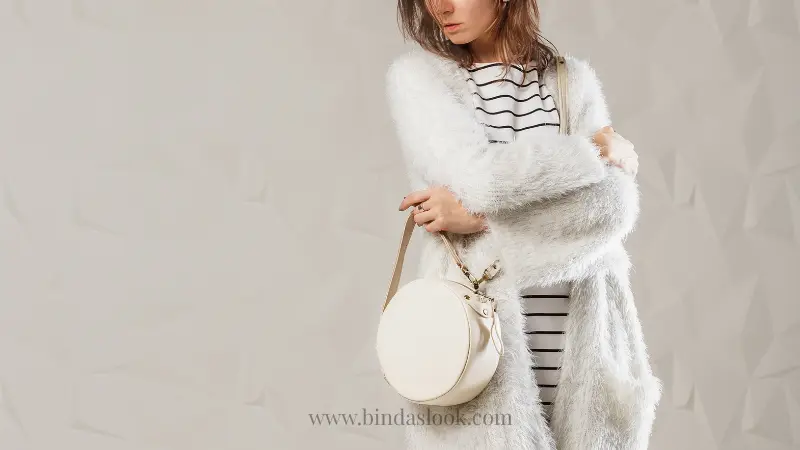
Normcore, characterized by a deliberate rejection of overt fashion statements in favor of understated, comfortable, and practical clothing, has evolved. Gen Z's Normcore 2.0 isn't about blending in; it's about elevated basics with a focus on quality, sustainable fabrics, and impeccable fit. Think premium organic cotton tees, perfectly tailored trousers, minimalist sneakers, and versatile outerwear. The aesthetic champions capsule wardrobes and investment pieces over fast fashion. It's about looking effortlessly put-together without appearing to try too hard. Colors are often neutral – beige, grey, black, white, and earthy tones – with textures providing visual interest. We see this aesthetic driven by a desire for longevity, comfort, and a rejection of consumerist excess, aligning with their eco-conscious values. The choice of materials like responsibly sourced wool, linen, and recycled synthetics is paramount, transforming 'basic' into 'ethical chic.'
2. Dark Academia Reimagined: Scholarly Sophistication with a Modern Edge
Dark Academia, a style aesthetic rooted in romanticized intellectualism, literature, and classic arts, continues its reign but with a Gen Z twist. In 2026, it moves beyond mere imitation of vintage university attire. We observe a fusion of traditional elements – tweed blazers, cable-knit sweaters, pleated skirts, oxford shoes – with contemporary silhouettes and unexpected details. Think oversized, deconstructed blazers, chunky loafers with statement socks, and layering silk scarves with cotton shirts. The color palette remains rich with deep greens, browns, burgundy, and muted greys, but pops of unexpected color might appear in accessories or underlayers. This aesthetic appeals to Gen Z's intellectual curiosity and their appreciation for history and storytelling, but it's executed with a self-aware, ironic detachment that is distinctly modern. It's less about strict formality and more about cultivating an atmosphere of thoughtful, curated elegance.
3. Cottagecore's Ethereal Evolution: Romantic Nature-Inspired Whimsy
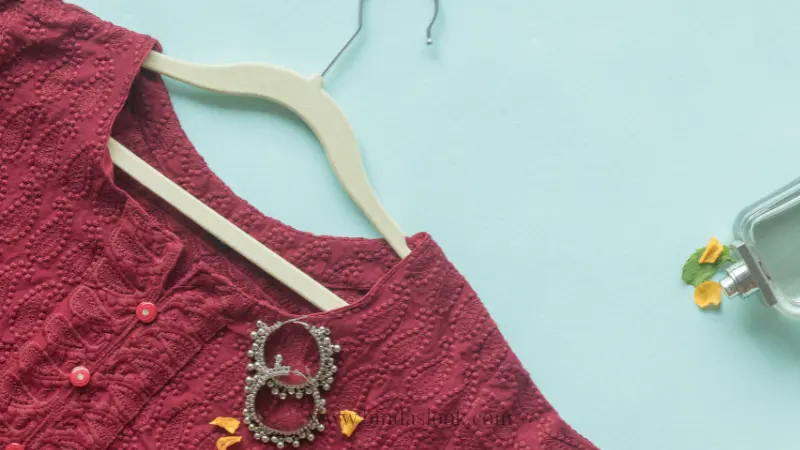
Cottagecore, celebrating idyllic rural life and a return to nature, has softened and become more ethereal. For Gen Z in 2026, this aesthetic emphasizes comfort, femininity, and a dreamy, almost whimsical sensibility. Flowy maxi dresses in natural fabrics like linen and organic cotton, delicate embroidery, puff sleeves, and soft pastel palettes are key. We're seeing a shift from overtly rustic elements to more refined, delicate details, such as intricate lace, floral prints that evoke vintage botanicals, and subtle ruffles. Accessories include woven bags, delicate jewelry, and floral headpieces. This aesthetic provides an escape from the digital world, tapping into Gen Z's desire for tranquility, slow living, and a connection to the natural environment. It's a manifestation of yearning for simplicity and beauty, often shared and curated through visually rich online content.
4. Y2K Revival: Nostalgic Playfulness and Bold Expression
The Y2K aesthetic, drawing inspiration from the late 1990s and early 2000s, remains a dominant force, fueled by Gen Z's fascination with nostalgic trends from before their time. In 2026, we anticipate its continued evolution towards a more refined and intentional embrace of its key elements. Think low-rise bottoms, baguette bags, brightly colored mini skirts, crop tops, velour tracksuits, and chunky sneakers. However, Gen Z integrates these pieces with a modern sensibility, often pairing them with more contemporary items to avoid a literal costume look. Bold patterns, shiny fabrics, and playful accessories like butterfly clips or tiny sunglasses are central. This trend speaks to Gen Z's desire for playful self-expression and their comfort with mixing high and low fashion, creating looks that are both humorous and stylish. It's a celebration of a time perceived as simpler, filtered through a contemporary lens.
5. Techwear & Gorpcore: Functional Utility Meets Urban Exploration
This dual aesthetic, emphasizing functionality, durability, and a utilitarian edge, is increasingly popular among Gen Z. Techwear, with its focus on advanced materials, innovative designs, and an almost cyberpunk aesthetic, involves garments with multiple pockets, waterproof fabrics, and modular elements. Gorpcore, on the other hand, embraces outdoor and hiking gear in everyday fashion, featuring puffer jackets, cargo pants, trail sneakers, and fleeces. For 2026, we foresee a seamless integration of these two, where urban street style meets extreme functionality. Think sleek, minimalist lines combined with practical features, often in muted or earthy tones punctuated by bright, contrasting accents. This aesthetic appeals to Gen Z's practical mindset, their interest in technological innovation, and a subtle nod to preparedness for any urban or natural adventure. Brands that excel in performance wear are finding new relevance within this trend.
6. E-Girl/E-Boy & Alt-TikTok: Subculture Fusion and Internet-Native Aesthetics
Born from the internet, particularly platforms like TikTok and Twitch, the E-Girl/E-Boy aesthetic is a vibrant, often eclectic blend of various subcultures. We predict its continued prominence, evolving to incorporate even more diverse influences. Key elements include oversized graphic tees, fishnet stockings, chunky platform shoes, dyed hair (often bright or pastel), chain accessories, and heavy, expressive makeup (e.g., winged eyeliner, hearts under eyes). It's a fusion of punk, goth, anime, and skater aesthetics, creating a highly personalized and visually striking look. This aesthetic thrives on digital communities and challenges mainstream beauty standards, appealing to Gen Z's desire for belonging within niche online groups and their embrace of non-conformity. It's a deliberate rejection of 'vanilla' style, celebrating individuality and often a playful dark humor.
7. Indie Sleaze Reborn: Raw Authenticity and Gritty Glamour
The Indie Sleaze aesthetic, popular in the late 2000s and early 2010s, is experiencing a Gen Z-led resurgence, but with a more conscious and less problematic interpretation. This style celebrates a raw, rebellious, and slightly disheveled look, drawing inspiration from indie rock culture, vintage thrift finds, and a 'too cool to care' attitude. Key elements include ripped denim, band tees, vintage leather jackets, sheer fabrics, worn-out sneakers, and smudged eyeliner. It's characterized by an anti-perfectionist stance, favoring authenticity and a lived-in feel. For 2026, we anticipate Gen Z will adopt the aesthetic's spirit of effortless cool but layer it with their own ethical concerns, perhaps opting for truly vintage pieces rather than newly manufactured distressed items. It's about capturing a moment of gritty glamour without succumbing to previous excesses, focusing on genuine self-expression through a curated, rebellious lens.
8. Dopamine Dressing: Bright Hues and Mood-Boosting Patterns
As a counterpoint to more subdued aesthetics, Dopamine Dressing continues to gain momentum, championed by Gen Z as a way to express joy and uplift mood through clothing. This aesthetic is all about vibrant colors, bold patterns, and playful textures. Think bright fuchsia dresses, electric blue accessories, rainbow-striped sweaters, and clashing prints. It’s an unapologetic embrace of color therapy, where fashion becomes a tool for emotional well-being. We observe Gen Z confidently mixing traditionally 'unmatchable' hues and patterns, creating visually stimulating and joyful ensembles. This trend is a direct reflection of a generation that uses personal style as an immediate mood booster and a visible declaration of optimism. It encourages playful experimentation and a departure from conventional notions of color coordination, emphasizing personal happiness over strict rules.
9. Gender-Fluid Futurism: Experimental Silhouettes and Boundary-Breaking Designs
Perhaps one of the most transformative aesthetics driven by Gen Z is Gender-Fluid Futurism. This style actively challenges traditional gender norms in clothing, embracing experimental silhouettes, innovative materials, and designs that transcend binary categories. We are witnessing a proliferation of oversized blazers, tailored skirts worn by all genders, deconstructed garments, and clothing that emphasizes comfort and architectural form over conventional femininity or masculinity. The aesthetic often incorporates metallic accents, asymmetrical cuts, and unconventional fabric combinations, creating a forward-looking, almost avant-garde feel. This is a direct manifestation of Gen Z's expansive view of identity, where clothing serves as a vehicle for personal liberation and the dismantling of outdated social constructs. It represents a bold step towards a fashion landscape where individual expression is paramount, free from the constraints of societal expectations, paving the way for truly inclusive design. To explore general shifts, our Fashion Trends & Ethnic Style Guide | BindasLook.com offers broader insights.
How Brands Can Connect with Gen Z Through These Aesthetics
For brands aiming to capture the attention and loyalty of Gen Z, understanding these aesthetics is merely the first step. Authenticity, transparency, and a commitment to shared values are equally critical. We advise brands to engage in co-creation with Gen Z influencers and customers, allowing their community to shape product development and marketing narratives. This generation values genuine interaction over polished advertising.
Furthermore, sustainability must be woven into the brand's DNA, not merely as a marketing ploy. Gen Z are discerning consumers who research extensively. A recent study by the National Retail Federation and IBM found that nearly 70% of Gen Z consumers prefer to buy from sustainable brands. (Source: National Retail Federation). They expect brands to actively address environmental impact and ethical labor practices throughout their supply chain. Inclusivity must also be reflected in all aspects, from diverse representation in campaigns to offering a broad range of sizes and gender-neutral options. Storytelling that resonates with Gen Z's values, rather than just highlighting product features, will foster deeper connections. Brands that embrace secondhand initiatives, rental services, or upcycling programs are also likely to gain traction.
The Future of Gen Z Fashion: A Landscape of Constant Evolution
The fashion sphere, under the influence of Gen Z, is in a state of perpetual evolution. What we delineate today as distinct aesthetics may, by 2026, have fused, mutated, or given rise to entirely new sub-trends. This generation's comfort with fluid identities and rapid digital dissemination ensures that trends will emerge, peak, and transform faster than ever before. However, the core principles driving their choices – authenticity, sustainability, inclusivity, and self-expression – will likely remain foundational. Their engagement with fashion is a reflection of their broader worldview, a desire to create a more equitable, conscious, and personally meaningful existence. We foresee a continued blending of virtual and physical fashion, with digital wearables and metaverse aesthetics influencing real-world style choices, and vice versa. The boundary between our online and offline selves will continue to blur, making fashion an ever more crucial aspect of holistic identity. A further analysis of this intersection can be found in a paper from the Journal of Consumer Research, which explores consumer identity projects in a digital age, underscoring how Gen Z navigates self-presentation.
Conclusion: Gen Z - Architects of Tomorrow's Style
In conclusion, Gen Z is not just following trends; they are actively creating them, shaping the future of fashion with their unique blend of digital savviness, social consciousness, and unwavering individuality. The nine aesthetics we have decoded for 2026 – from the intentional simplicity of Normcore 2.0 to the boundary-breaking designs of Gender-Fluid Futurism – are more than just clothing styles; they are manifestations of a generation's values, aspirations, and digital-first lifestyle. For brands, designers, and fashion enthusiasts alike, understanding these dynamics is not merely about staying relevant; it's about anticipating and participating in a significant cultural shift. We are witnessing a fundamental redefinition of what fashion means, propelled by a generation that views personal style as a powerful and authentic expression of who they are and the world they aspire to create. The future of fashion, vibrant and multifaceted, is undeniably in their hands.