The Unsung Fashion Academies: India's Street Markets
In a world increasingly dominated by polished malls, high-street brands, and digital storefronts, there exists an enduring, vibrant, and utterly chaotic institution that has, for generations, profoundly shaped India’s collective fashion consciousness: its street markets. From the labyrinthine lanes of Delhi’s Sarojini Nagar and Janpath to the bustling bazaars of Mumbai’s Fashion Street and Linking Road, these markets are far more than mere shopping destinations. They are dynamic cultural melting pots, economic powerhouses, and, perhaps most importantly, unconventional fashion academies where millions have learned to hone their style, master the art of the bargain, and develop a discerning eye for what’s truly chic and personal.
For decades, before the advent of fast fashion chains and widespread internet access, street markets were the primary touchpoints for fashion experimentation and acquisition for the average Indian. They were places where trends were born, adapted, and disseminated with astonishing speed, offering a democratic alternative to the often-unattainable world of designer wear. This deep-rooted connection to street shopping has instilled a unique set of skills and an intrinsic understanding of personal style that continues to define Indian fashion today.
More Than Just Shopping: An Education in Style and Value
The Art of the Bargain: A Lesson in Value and Quality
One of the most foundational lessons imparted by street markets is the art of negotiation. Bargaining isn't just about saving a few rupees; it's a nuanced dance that teaches shoppers to assess value, understand material quality, and develop confidence in their choices. When every purchase is a negotiation, one quickly learns to distinguish between a genuine find and an overpriced imitation. This practical skill transcends the market, empowering individuals to make smarter purchasing decisions in all aspects of life.
- Understanding Fabric: Feel the texture, check the weave, understand common blends.
- Spotting Imperfections: Quick visual checks for loose threads, faulty zippers, or stains.
- Price Psychology: Learning to gauge a fair price and walk away if necessary.
Trend Spotting and Adaptation: The Fastest Fashion Cycle
Street markets are unparalleled in their ability to mirror and rapidly adapt global and local trends. A design seen on a runway or in a Bollywood movie can appear in a street market in a matter of weeks, sometimes even days, albeit in a more accessible, budget-friendly avatar. This rapid turnover means shoppers are constantly exposed to new styles, colours, and silhouettes, forcing them to develop an instinct for what’s current and what truly suits them. It's a real-time fashion laboratory where personal style evolves through constant exposure and experimentation.
The ability to pick up on these fleeting trends without breaking the bank means that fashion becomes a fluid, accessible form of self-expression rather than an expensive pursuit. Young individuals, especially, learn to mix and match high-fashion aspirations with street-smart affordability, creating looks that are both contemporary and uniquely their own.
Democratizing Fashion: Style for Every Wallet
Perhaps the most significant contribution of Indian street markets is the democratization of fashion. They dismantle the notion that style is exclusive to the affluent. Here, a student can assemble a trendy wardrobe for a fraction of what it would cost in a mall, often for less than a couple of hundred INR per item. This accessibility has fostered a generation of fashion-conscious individuals who understand that good style is about creativity and confidence, not just brand labels.
From everyday casuals to festive wear, the sheer volume and variety of options ensure that there’s something for everyone. A simple kurti, a pair of jeans, a vibrant scarf, or statement jewelry – all can be found and combined to create distinctive ensembles. This emphasis on affordability has ingrained a 'value for money' mindset, pushing individuals to think resourcefully about their clothing choices.
A Kaleidoscope of Choices: Beyond the Conventional
The inventory of a street market is a visual feast. You might find exquisite handloom fabrics from different states next to mass-produced Western wear, an antique-looking silver necklace beside a funky pair of sunglasses. This diverse offering encourages a holistic approach to styling. Shoppers aren't just buying clothes; they're sourcing components for an entire look. This environment naturally cultivates an experimental mindset, where clashing patterns and unexpected combinations are celebrated rather than avoided.
Think about the sheer range of categories available: intricate ethnic wear, contemporary Western outfits, traditional jewelry, modern accessories, footwear, bags, and even home decor. This expansive inventory allows individuals to develop a comprehensive fashion sense that extends beyond mere garments. For instance, someone looking for how to style a kurti for the office might find multiple options, from elegant cotton blends to embroidered pieces, along with suitable dupattas and accessories, all within a few feet of each other.
Personalization and Expression: Crafting a Unique Identity
Street markets empower shoppers to create truly personalized wardrobes. Unlike brand stores where choices are curated and limited, street vendors offer an unparalleled mix-and-match potential. One can buy a fabric, get it tailored to a specific design, and then find the perfect accessories to complete the look – a process that fosters creativity and a strong sense of personal style.
This hands-on approach to building an outfit is a fundamental lesson in self-expression. It teaches individuals that fashion is not about slavishly following trends but about adapting them to one's own personality and body type. The freedom to combine elements from various stalls, negotiate for unique pieces, and even customize simple garments transforms shopping into a creative endeavor.
The Cultural Thread: Connecting Generations Through Fashion
Street markets are often multi-generational affairs. Children accompany their parents, learning the ropes of bargaining and trend-spotting from a young age. This inter-generational exchange of knowledge is crucial in transmitting cultural values alongside fashion sensibilities. The importance of specific colours for festivals, the elegance of certain traditional weaves, or the practicality of a particular fabric are all lessons learned on the bustling market streets.
Festive preparations, in particular, often involve extensive street market expeditions. Families might head out to find the perfect Diwali outfit, or a vibrant ensemble for Navratri. These experiences are not just transactional; they are bonding moments that weave fashion into the fabric of family traditions and cultural identity.
Beyond Clothing: Accessories and the Complete Look
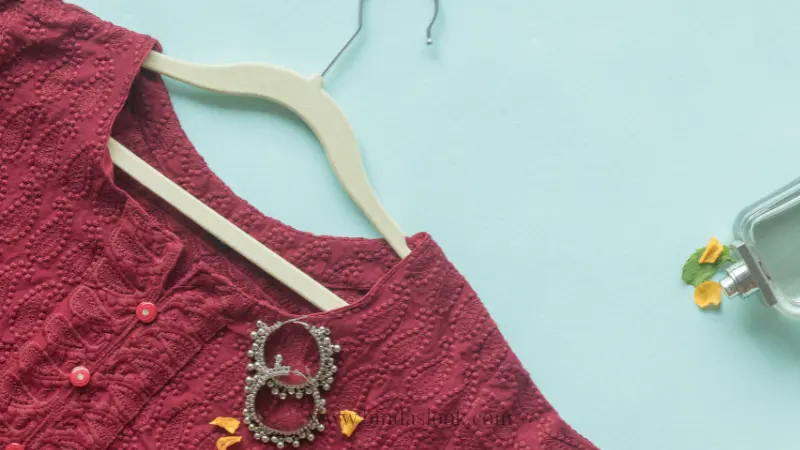
It's not just about clothes. Street markets are treasure troves of accessories that can transform any outfit. From intricate jhumkas and statement neckpieces to colourful bangles, stylish footwear, and a plethora of handbags, these markets provide the finishing touches that elevate a look. Learning to choose the right accessory for an outfit is a critical component of developing a refined fashion eye, and street markets offer an endless canvas for this learning.
- Jewellery: Traditional, contemporary, chunky, delicate – an array for every occasion.
- Footwear: Kolhapuris, juttis, sandals, heels – often at highly competitive prices.
- Bags & Scarves: From practical totes to embellished clutches, and an infinite variety of scarves to add a pop of colour or texture.
These markets teach a valuable lesson: sometimes, a simple outfit paired with the perfect accessory can make a stronger statement than an expensive, head-to-toe branded ensemble. This focus on thoughtful accessorizing is a hallmark of truly developed personal style.
The Impact on India's Fashion Landscape and Economy
Nurturing Local Craft and Entrepreneurship
Street markets are vital ecosystems for local artisans, small businesses, and aspiring entrepreneurs. They provide a low-barrier entry point for designers and vendors to test products, gather feedback, and build a customer base. This direct interaction fosters innovation and ensures that traditional crafts and contemporary designs coexist and thrive.
The economic impact is substantial. Thousands of families rely on these markets for their livelihood, contributing significantly to the informal economy. More broadly, the entrepreneurial spirit visible in these markets is infectious, inspiring a new generation to create and sell, often leveraging the insights gained from growing up immersed in market culture.
Inspiration for Mainstream and Designer Fashion
It's not uncommon for designers and major brands to draw inspiration from the streets. The vibrant colours, innovative styling, and practical adaptations seen in street markets often make their way onto runways and into high-street collections. Street style photography, once an niche interest, has become a major trend, further cementing the influence of everyday fashion on the broader industry.
This upward flow of inspiration highlights the authenticity and raw creativity inherent in street market fashion. It’s a testament to the fact that genuine style can emerge from anywhere, not just from curated design studios. As Bindaslook continues to explore and celebrate diverse fashion narratives, understanding the roots of this pervasive street market influence is key. Our categories section often reflects this blend of traditional charm and modern trends, mirroring the very diversity found in these bustling marketplaces.
The Enduring Legacy in the Digital Age
Even as e-commerce platforms and global brands gain traction, Indian street markets continue to hold their own. They offer an experiential element that online shopping cannot replicate – the sensory overload, the human interaction, the thrill of discovery, and the immediate gratification of a physical purchase. They remain popular weekend destinations and essential sources for specific items.
While the way we shop evolves, the lessons learned from street markets – the shrewd eye for value, the knack for trend-spotting, and the confidence in personal style – are deeply ingrained. This legacy ensures that Indian fashion, regardless of its form, will always carry a touch of the street's vibrant, resourceful, and uniquely expressive spirit.
Conclusion: A Fashion Education for the Masses
India’s street markets are more than just places to buy clothes; they are dynamic, living classrooms. They have trained generations to be astute shoppers, creative stylists, and confident individuals who understand that fashion is a powerful tool for self-expression. They’ve taught resilience, fostered an entrepreneurial spirit, and democratized style, making it accessible to all. The enduring lessons in value, trend analysis, and personalization learned amidst the colourful chaos of these markets have undoubtedly shaped the discerning fashion eye of a nation, proving that the best education often happens far away from conventional classrooms, on the bustling streets of India.