The Rise of Indian Fashion on the Global Stage
For centuries, India has been a cradle of exquisite textiles, intricate craftsmanship, and vibrant design. From the opulent silks of Varanasi to the delicate embroideries of Kutch, Indian artistry has always held a mystical allure. In recent decades, however, this rich heritage has transcended its traditional boundaries, with Indian fashion brands not just preserving their legacy but actively projecting their unique designs onto the global runway. This isn't merely a trend; it's a profound cultural movement, signaling a new era where Indian aesthetics are recognized, coveted, and celebrated worldwide.
What began as niche markets for expatriates and enthusiasts has blossomed into a mainstream phenomenon. International fashion weeks now regularly feature Indian designers, global retailers stock Indian-inspired collections, and consumers from New York to Paris are embracing the vibrancy and elegance that Indian fashion offers. This global embrace is a testament to the versatility, depth, and evolving narrative of Indian style, which masterfully blends ancient techniques with contemporary sensibilities.
From Ancient Weaves to Modern Marvels: A Journey of Evolution
India's fashion narrative is deeply rooted in its history, a continuous tapestry woven through millennia. The Indus Valley Civilization provides evidence of advanced textile production, while subsequent empires refined techniques like dyeing, printing, and embellishment. Each region developed its distinct textile identity – the elaborate brocades of Banaras, the tie-and-dye artistry of Rajasthan, the block prints of Gujarat, and the intricate weaves of South India. These were not just clothes; they were stories, status symbols, and expressions of cultural identity.
Post-independence, Indian fashion largely catered to domestic tastes, with a strong emphasis on traditional attire like sarees, kurtas, and lehengas. While beloved, the global perception often limited Indian fashion to its ethnic roots. The turning point came with increased globalization, technological advancements, and a new generation of designers who dared to reimagine tradition. They started to deconstruct, modernize, and interpret Indian aesthetics for a wider audience, while fiercely protecting the authenticity of their craft.
The Art of Fusion: Blending Heritage with Contemporary Design
The secret sauce of Indian fashion's global appeal lies in its ability to fuse. Designers are no longer just replicating traditional motifs; they are innovating. They take ancient embroideries like Zardozi or Aari and apply them to Western silhouettes like gowns or tailored jackets. They experiment with traditional fabrics like Khadi or Chanderi, transforming them into edgy, ready-to-wear pieces. This fusion approach has created a distinct design language that is both familiar and exotic, appealing to a diverse global clientele.
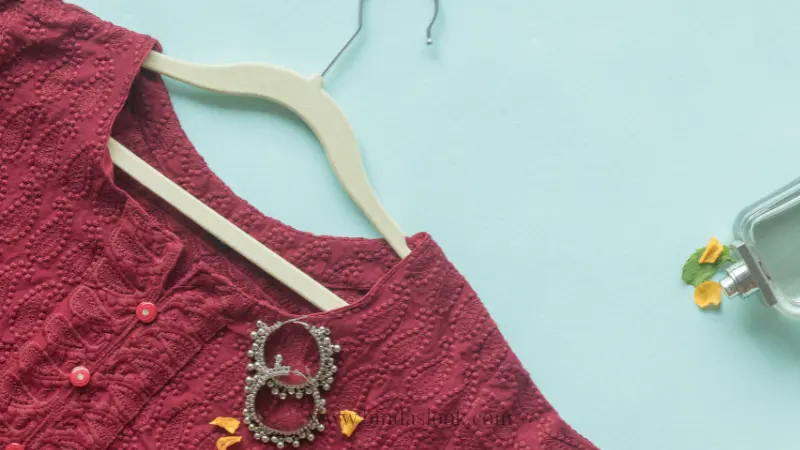
For example, a traditional kurti, once a staple of Indian wear, is now being reimagined with contemporary cuts, sophisticated prints, and luxurious fabrics, making it suitable for both casual outings and high-fashion events worldwide. This adaptive quality allows Indian fashion to resonate with diverse sartorial needs.
Pioneers and Visionaries: Indian Designers on the World Stage
A cohort of visionary Indian designers has been instrumental in catapulting Indian fashion onto the global platform. Names like Sabyasachi Mukherjee, Anita Dongre, Manish Malhotra, and Tarun Tahiliani have become synonymous with luxury, craftsmanship, and a distinctive Indian aesthetic. Their collections, often showcased at prestigious international fashion weeks, demonstrate the sophistication and global relevance of Indian design.
- Sabyasachi Mukherjee: Known for his opulent bridal wear and vintage-inspired designs, Sabyasachi has built a global empire, dressing celebrities and showcasing his collections internationally. His collaboration with H&M brought Indian luxury to a mass market.
- Anita Dongre: A champion of sustainable fashion and rural craftsmanship, Anita Dongre's label has expanded globally, offering a range from everyday wear to bridal couture. Her designs embody modern Indian elegance.
- Manish Malhotra: A Bollywood favorite, Malhotra's glamorous designs have not only defined Indian cinematic fashion but have also found a following among the Indian diaspora and international clientele.
- Rahul Mishra: A trailblazer in sustainable haute couture, Rahul Mishra became the first Indian designer to showcase at Paris Haute Couture Week. His work, which employs traditional Indian craftspeople, is celebrated for its intricate handwork and commitment to ethical practices.
These designers, among others, are not just selling clothes; they are selling a dream – a piece of India's soul, meticulously crafted and globally appealing. They are proving that Indian fashion is not merely ethnic wear but high fashion capable of setting global trends.
The E-commerce Revolution: Opening Doors to the World
The digital age has played an unparalleled role in the global expansion of Indian fashion. E-commerce platforms have dismantled geographical barriers, allowing Indian brands, both big and small, to reach customers across continents. Online marketplaces, direct-to-consumer websites, and social media have become powerful tools for showcasing collections, engaging with customers, and processing international orders.
The growth of e-commerce has been a significant boon. As discussed in "Indian Brands Soar Amid Manufacturing & E-commerce Boom", the digital infrastructure, combined with efficient logistics, has empowered countless Indian businesses. This means a customer in London can now effortlessly purchase a hand-block printed kurta from Jaipur, or someone in New York can order a bespoke lehenga for an event, all with a few clicks. The ease of access has democratized Indian fashion, moving it beyond specialized boutiques to mainstream consumer consciousness.
Furthermore, platforms that streamline shipping and international payments have been critical. The overall digitization of commerce, including advancements in logistics and payment gateways, has significantly reduced the friction in cross-border trade, enabling even small artisans to participate in the global market. This shift has not only boosted sales but also enhanced brand visibility and recognition on a global scale.
Sustainability and Ethical Practices: India's Unsung Contribution
Long before 'sustainable fashion' became a global buzzword, it was an inherent part of Indian textile traditions. The use of natural fibers, organic dyes, handloom weaving, and circular fashion practices (like reusing and recycling garments) has been ingrained in Indian culture for centuries. Today, as the world grapples with the environmental impact of fast fashion, Indian brands are uniquely positioned to lead the sustainable movement.
Many Indian designers and brands are consciously embracing and promoting eco-friendly practices:
- Handloom Revival: Supporting traditional weavers and artisans, ensuring fair wages, and preserving ancestral skills.
- Natural Dyes: Utilizing plant-based and mineral dyes, reducing chemical waste.
- Waste Reduction: Implementing practices like upcycling fabric scraps and designing for longevity.
- Ethical Production: Ensuring fair labor practices throughout their supply chains.
This commitment to ethical and sustainable production not only aligns with global consumer values but also adds a layer of authenticity and integrity to Indian fashion, making it even more desirable on the international stage. Consumers are increasingly willing to pay a premium for products that are not only beautiful but also ethically made.
Cultural Exchange and Global Inspiration
The influence of Indian fashion isn't unidirectional; it's a vibrant cultural exchange. Western designers frequently draw inspiration from Indian textiles, silhouettes, and embellishments, leading to cross-cultural collections that celebrate diversity. From paisley prints to vibrant color palettes, the echoes of India are seen in high street and luxury brands alike.
Conversely, Indian designers are also incorporating global trends and modern aesthetics, creating a dynamic interplay. This continuous dialogue enriches the global fashion landscape, fostering a more inclusive and diverse understanding of beauty and style.
The Festival Effect: Exporting Celebratory Style
Indian festivals are a riot of colors, joy, and fashion. Events like Diwali, Eid, and Navratri traditionally dictate specific sartorial choices, full of celebratory exuberance. The global Indian diaspora, along with international enthusiasts, eagerly participates in these festivities, often seeking authentic Indian outfits. Brands like Bindaslook cater to this demand, offering collections that embody the spirit of these celebrations.
For instance, an ultimate Diwali outfit guide for Indian women showcases the diversity and richness of festive wear, which is now accessible to a global audience. This cultural export through fashion allows people worldwide to experience a piece of India's joyous traditions.
Challenges and the Road Ahead
Despite the significant strides, Indian fashion brands face challenges on the global stage. These include navigating complex international logistics, intellectual property protection against fast fashion copies, maintaining consistent quality for mass production while preserving artisanal touch, and marketing effectively to diverse global audiences.
However, the opportunities far outweigh the challenges. With a vast reservoir of skilled artisans, a rich textile heritage, a burgeoning design talent pool, and a robust e-commerce ecosystem, Indian fashion is poised for even greater global dominance. The focus will continue to be on telling authentic stories, innovating with tradition, and upholding sustainable and ethical practices.
Conclusion: India's Irresistible Charm
Indian fashion brands are not just designing clothes; they are crafting narratives, preserving legacies, and building bridges between cultures. Their designs, infused with the soul of India and adapted for the modern world, offer an irresistible charm that resonates with consumers across the globe. From the intricate embroideries that whisper tales of ancient empires to the contemporary silhouettes that speak of future trends, Indian fashion is a testament to creativity, resilience, and an unwavering commitment to beauty.
As these brands continue to innovate and expand, they are not only contributing significantly to India's economy but also enriching the global fashion tapestry, proving that heritage, when embraced with vision, truly has designs on the world. The journey of Indian fashion from local looms to international runways is a powerful narrative of cultural pride, artistic excellence, and global appeal, solidifying its place as a formidable force in the fashion world for years to come.