Milan Fashion Week: Unveiling the Future of Style
Milan Fashion Week (MFW) consistently stands as a beacon of luxury, innovation, and timeless elegance in the global fashion calendar. For designers and fashion enthusiasts alike, it's a critical moment where creative visions are translated into wearable art, setting the tone for upcoming seasons. The recent MFW proved no exception, delivering a compelling array of trends that promise to redefine our wardrobes. From the sharp resurgence of power tailoring to the sumptuous embrace of furry textures and the sophisticated art of layering, Milan presented a collection of standout styles that were both revolutionary and inherently chic.
This season, MFW emphasized a renewed focus on craftsmanship, thoughtful design, and a blend of the audacious with the utterly wearable. Designers explored new frontiers while paying homage to classic Italian sartorial traditions, creating a captivating dialogue between past and future. The runways showcased not just clothes, but a narrative of confidence, comfort, and an unapologetic embrace of individual expression. Let's delve into the major trends that captivated audiences and critics alike.
The Resurgence of Power Tailoring: Sharp Silhouettes and Unwavering Confidence
Power tailoring made a resounding comeback at Milan Fashion Week, signaling a shift towards structured elegance and a renewed sense of sartorial authority. This wasn't merely a revival of the 80s shoulder pad; it was a nuanced reinterpretation, emphasizing precision, fluidity, and an undeniable sense of confidence. Designers like Giorgio Armani, Prada, and Dolce & Gabbana showcased suits and separates that exuded strength without sacrificing grace.
Sharp Silhouettes and Structured Elegance
The new power suit is characterized by impeccably cut blazers, often with exaggerated shoulders or cinched waists, paired with wide-leg trousers or sleek pencil skirts. The silhouettes were clean, sharp, and designed to empower the wearer. Fabrics ranged from classic wools and tweeds to innovative blends that offered both structure and comfort. Colors often leaned into sophisticated neutrals like charcoal, navy, and deep burgundy, punctuated by occasional flashes of bold color to make a statement. This trend speaks to a desire for clothing that projects competence and poise, perfect for the modern professional or anyone looking to make an impactful impression.
The New Power Suit: Beyond the Boardroom
What makes this iteration of power tailoring particularly exciting is its versatility. While undeniably boardroom-ready, these pieces were styled on the runway in ways that transcended traditional corporate settings. Blazers were paired with delicate slip dresses, trousers with oversized knitwear, and vests worn as stand-alone tops. This adaptability highlights a broader cultural shift where formalwear is no longer confined to specific occasions but integrated into everyday luxury. It encourages a mix-and-match approach, allowing individuals to curate their own powerful yet personal style statements.
Styling Tips for Power Tailoring
- Invest in a Quality Blazer: A well-tailored blazer in a classic color is a cornerstone of this trend. Look for sharp lapels and a flattering fit.
- Mix and Match: Don't feel obligated to wear matching sets. Pair a structured blazer with jeans for an elevated casual look, or tailored trousers with a soft blouse.
- Accessorize Smartly: Minimalist jewelry, a chic belt, and statement shoes can elevate your tailored outfit without overwhelming it.
- Consider the Drape: Experiment with oversized blazers for a more relaxed yet powerful aesthetic, or opt for cinched-waist styles to emphasize your figure.
Embracing Tactility: The Reign of Furry Textures
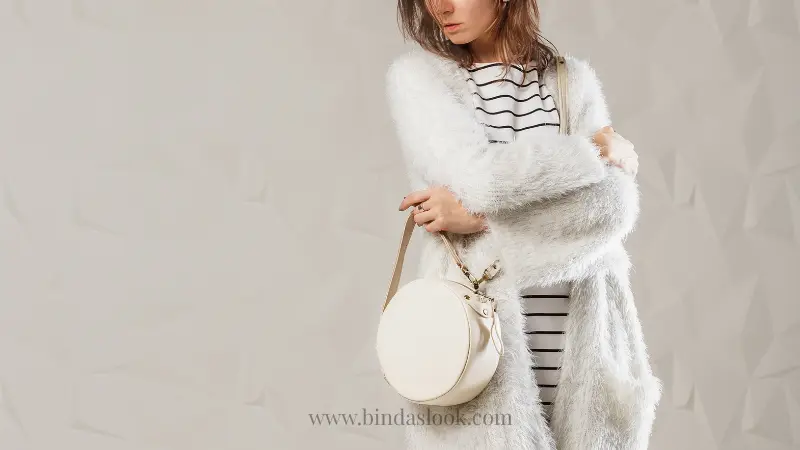
From opulent coats to playful accessories, furry textures dominated the MFW runways, adding a lavish and sensual dimension to collections. This trend was less about practicality and more about pure indulgence, offering comfort, warmth, and an undeniable touch of glamour. While ethical considerations continue to drive innovation, high-quality faux fur was a prevalent choice, demonstrating that luxury doesn't have to come at a cost to animals.
From Faux Fur to Plush Accents
Designers like Gucci, Fendi, and Etro showcased an array of furry creations. We saw full-length faux fur coats in vibrant hues and classic neutrals, offering ultimate warmth and a dramatic flair. Beyond outerwear, furry accents appeared on collars, cuffs, bags, and shoes, adding a touch of softness and unexpected texture to otherwise sleek ensembles. The textures varied from shaggy and wild to short and plush, demonstrating the incredible versatility of this trend. It's a statement of bold luxury, inviting touch and transforming ordinary outfits into extraordinary ones. Notably, Gucci's Fall 2026 collection, for instance, perfectly captured this daring energy with its innovative use of textures and shapes, including plush elements.
Incorporating Furry Textures into Your Wardrobe
- Statement Coat: A faux fur coat is the ultimate showstopper. Choose a color that complements your existing wardrobe or go bold with a vibrant shade.
- Subtle Accents: If a full coat feels too much, integrate furry textures through smaller items like a faux fur scarf, a handbag with fur detailing, or even furry-lined shoes.
- Texture Play: Pair furry items with contrasting textures like sleek leather, smooth silk, or rough denim to create visual interest and depth.
- Layering for Warmth and Style: Drape a furry vest over a leather jacket or a tailored coat for added warmth and a touch of extravagance.
The Art of Layering: A Masterclass in Dimension and Style
Layering, a perennial favorite, was elevated to an art form at Milan Fashion Week. This season, it wasn't just about adding warmth; it was about creating intricate, visually rich outfits that played with proportion, texture, and silhouette. Designers skillfully combined disparate pieces to forge cohesive yet dynamic looks, proving that more can indeed be more when done right.
Strategic Silhouettes and Volume Play
Runways were awash with creative layering: oversized blazers worn over knitwear and then topped with a trench coat, delicate slips paired with chunky sweaters and tailored trousers, and even multiple shirts worn in tandem. The key was strategic volume. Designers often contrasted fitted base layers with voluminous outer layers, or introduced unexpected elements like a scarf worn as a top layer over a blazer. This approach allowed for a sophisticated play on dimensions, giving depth and complexity to each ensemble.
Layering for Function and Fashion
Beyond aesthetics, intelligent layering offers practical benefits, adapting outfits for varying temperatures and occasions. Milan showed us how to transition seamlessly from a brisk morning to a warmer afternoon without compromising style. It’s about building an outfit with versatile components that can be added or removed as needed, extending the wearability of individual pieces. This trend encourages creativity and resourcefulness, transforming basic garments into exciting, multifaceted looks.
Mastering the Art of Layering
- Start with a Base: Begin with a fitted base layer, such as a thin turtleneck or a camisole.
- Add Mid-Layers: Introduce shirts, vests, or light knitwear. Experiment with different lengths and textures.
- Outerwear as a Statement: Finish with a blazer, coat, or jacket that complements the layers underneath. Consider contrasting colors or materials.
- Play with Proportions: Balance slim-fit items with oversized pieces to create an interesting silhouette.
- Texture Contrast: Mix soft knits with crisp cottons, smooth silks with rough tweeds to add visual interest.
Beyond the Big Three: Other Standout Trends from MFW
While power tailoring, furry textures, and layering were undeniably dominant, Milan Fashion Week offered a rich tapestry of other noteworthy trends that caught the eye and stimulated discussion.
Bold Colors and Metallics
Though neutrals held their ground, flashes of vibrant color and shimmering metallics injected an exhilarating energy into many collections. Deep emerald greens, fiery reds, and electric blues made bold statements, often appearing in monochromatic looks or as unexpected pops against more subdued palettes. Metallics, from shimmering silvers to rich bronzes, were seen on everything from evening gowns to accessories, promising a future of glamorous maximalism. They add a festive and futuristic touch, reflecting a desire for celebration and optimism in fashion.
Deconstructed Elements and Asymmetry
A more avant-garde trend embraced deconstruction and asymmetry. Hemlines were uneven, seams were exposed, and garments appeared to be artfully unfinished, challenging traditional notions of perfection. This rebellious spirit offered a fresh take on modern dressing, suggesting a beauty in imperfection and a desire to break free from conventional structures. It speaks to a younger, more experimental demographic, though designers skillfully integrated these elements in ways that still felt sophisticated.
The Return of Dramatic Silhouettes
Volume, in many forms, was a recurring motif. Beyond the tailored structure, we saw dramatic capes, voluminous skirts, and oversized sleeves that created a sense of theatricality and grandeur. This trend, often seen in evening wear but occasionally bleeding into daywear, harked back to an era of high-octane glamour, allowing for opulent expression and a joyful embrace of fashion's more dramatic side.
Sustainable Fashion's Growing Influence
While not a trend in the aesthetic sense, the increasing emphasis on sustainability and ethical practices continued to shape conversations and collections at MFW. Many designers highlighted their commitment to using recycled materials, promoting responsible production, and championing craftsmanship that minimizes environmental impact. This growing consciousness reflects a global imperative and signifies a long-term shift in the industry's approach to creation and consumption. Consumers are increasingly valuing brands that align with their ethical standards, creating a ripple effect across the entire fashion ecosystem.
Key Designers and Their Vision at MFW
Milan Fashion Week is synonymous with legendary design houses, each contributing their unique perspective to the evolving fashion landscape. Prada, under the joint creative direction of Miuccia Prada and Raf Simons, continued to redefine intellectual elegance, showcasing a collection that was both stark and deeply sophisticated, often incorporating elements of layering and unconventional textiles. Versace brought its signature bold glamour, with strong tailoring and vivid colors, while Fendi masterfully combined luxury with wearability, presenting exquisite furry textures and refined silhouettes.
Emerging designers also made their mark, challenging established norms and injecting fresh energy into the week. Their innovative approaches often highlighted sustainable practices and a more fluid approach to gender and style. For those following the broader impact of celebrities on the runway, Demi Moore's radical makeover at Milan Fashion Week ignited significant debate, showcasing the power of personal style transformations on a global stage.
Bringing MFW Trends to Your Wardrobe: Practical Application
While runway trends can sometimes seem dauntingly aspirational, the beauty of Milan Fashion Week is its blend of high-concept design with eminently wearable elements. Incorporating these trends into your daily wardrobe doesn't require a complete overhaul; rather, it’s about strategic integration and personal interpretation.
- Start Small: If a full furry coat feels too bold, begin with a faux fur scarf or a tailored vest. If power suiting is new to you, try a well-fitting blazer with your favorite trousers.
- Accessorize Wisely: Accessories are powerful tools. A statement belt can cinch an oversized blazer, mimicking the new power tailoring. A metallic handbag can add a pop of the bold color trend.
- Personalize Layering: Experiment with your existing wardrobe. Try wearing a long-sleeve top under a slip dress, or a denim jacket under a longer wool coat.
- Balance is Key: When embracing a bold trend like furry textures or dramatic silhouettes, balance it with simpler, more classic pieces to prevent the look from becoming overwhelming.
- Invest in Quality: Especially for trends like power tailoring, investing in well-made pieces will ensure longevity and a better drape. Many high-quality garments can be found by exploring different fashion categories in online shops.
Conclusion: Milan's Enduring Influence on Global Fashion
Milan Fashion Week once again asserted its status as a pivotal force in shaping global fashion. The trends unveiled—from the empowering elegance of power tailoring and the lavish comfort of furry textures to the creative ingenuity of layering and the vibrant statements of bold colors—offer a rich palette for personal expression. These trends reflect not just aesthetic shifts but also a deeper cultural dialogue about confidence, individuality, and conscious consumption.
As these styles transition from the runways to retail floors, they invite us to experiment, innovate, and find new ways to articulate our personal style. Milan Fashion Week serves as a powerful reminder that fashion is an ever-evolving art form, consistently pushing boundaries while celebrating its timeless heritage. It leaves us inspired, equipped with new ideas to elevate our wardrobes, and eagerly anticipating the next wave of innovation.