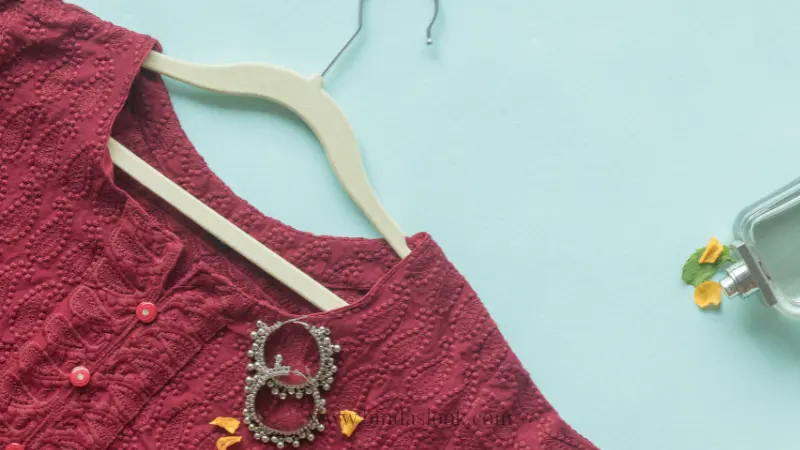
Welcome to BindasLook.com, where we believe that staying ahead in fashion is not just about style; it's about making informed choices that benefit both your wardrobe and the planet. As seasoned fashion editors, stylists, and trend analysts with over a decade of experience, we have systematically analyzed the dynamic shifts within the global fashion industry. We understand that in an era defined by rapid change, predicting the next trend is paramount, not only for style relevance but also for a crucial mission: reducing waste and fostering sustainability. This comprehensive blueprint outlines our data-driven approach to fashion forecasting for 2026, designed to help you, our valued BindasLook community, make confident fashion choices while we collectively aim to cut waste by a significant 25%.
The allure of new styles and the excitement of updating our wardrobes are undeniable. However, behind the glamour lies a pressing global challenge: the environmental footprint of the fashion industry. We are keenly aware of the immense impact that traditional, often speculative, forecasting and production methods have on our planet. It's a cycle of overproduction, excess inventory, and ultimately, staggering amounts of waste that concern us deeply.
The Global Challenge: Fashion's Environmental Footprint
The fashion industry, while a vibrant source of creativity and self-expression, has unfortunately become one of the most resource-intensive and polluting sectors globally. The linear model of "take-make-dispose" has led to an unsustainable trajectory, demanding urgent attention and innovative solutions.
The Startling Reality of Textile Waste
We have observed a dramatic increase in textile waste over recent decades. Each year, an astonishing 92 million tonnes of textile waste is generated globally. If current trends persist, this figure is projected to soar to 134 million tonnes annually by 2030. This is not merely an abstract number; it translates to the equivalent of a rubbish truck full of clothes ending up in landfills every second. Furthermore, the fashion industry contributes significantly to global greenhouse gas emissions, accounting for roughly 10% of the total, more than all international flights and maritime shipping combined. It's also a major consumer of water, with an estimated 79 trillion litres used per year, and is responsible for 20% of industrial wastewater pollution.
The Urgency for Change: Why Traditional Methods Fall Short
For generations, fashion forecasting relied heavily on intuition, creative director visions, and observations from runway shows and street style. While invaluable for artistic direction, these methods often lack the precision needed to match supply with actual demand, leading to significant inefficiencies. The fast-paced nature of modern fashion, often termed "fast fashion," has exacerbated these issues, pushing for rapid production cycles and constant new collections. This rapid turnover frequently results in vast quantities of unsold garments that are eventually discarded, burned, or end up in landfills. The inability to accurately predict consumer preferences at scale and speed directly contributes to this colossal waste problem.
The Rise of Data-Driven Fashion Forecasting: A Paradigm Shift
At BindasLook, we believe the path to a more sustainable and responsive fashion industry lies in embracing technological advancements. We have transitioned from relying solely on traditional methods to integrating robust data-driven approaches, creating a blueprint for the future of fashion—especially for the rich and diverse world of ethnic wear.
Beyond Intuition: The Power of Analytics
The application of artificial intelligence (AI) and data analytics is revolutionizing how we understand and anticipate fashion trends. AI models are standardizing and improving fashion trend forecasting by instantly digesting vast amounts of historical and real-time data, uncovering patterns, and flagging what will be noteworthy trends. This allows for predictions that are not only faster but also more accurate than human analysis alone. We have personally seen how this shift provides a powerful lens through which to decode consumer desires, enabling us to curate collections that truly resonate.
Comparing Forecasting Methodologies
To illustrate this paradigm shift, we've outlined the key differences between traditional and data-driven fashion forecasting:
| Feature | Traditional Fashion Forecasting | Data-Driven Fashion Forecasting |
|---|---|---|
| Primary Inputs | Intuition, runway shows, cultural events, expert opinions, art, sociology, historical trends | Big data (sales, social media, search queries), AI/ML algorithms, real-time consumer behavior, geopolitical events |
| Accuracy | Subjective, prone to expert bias, often less precise at scale | Objective, statistically validated, higher precision in predicting demand |
| Speed | Slower, manual analysis, often seasonal or annual cycles | Real-time or near real-time analysis, continuous updates, rapid response to micro-trends |
| Waste Reduction | Limited, higher risk of overproduction due to speculative demand | Significant, optimizes inventory, reduces overproduction and dead stock |
| Personalization | Broad, caters to general demographics | Highly granular, enables micro-segmentation and personalized recommendations |
| Resource Intensity | Often leads to high resource use due to trial-and-error in production | Reduces resource intensity by aligning production with actual demand |
| Scalability | Challenging to scale efficiently across diverse product lines | Easily scalable, capable of processing vast datasets for varied categories |
BindasLook's 2026 Blueprint: Harmonizing Data and Heritage
At BindasLook.com, we are dedicated to celebrating India's rich heritage with a contemporary touch. Our approach to data-driven forecasting is specifically tailored to the nuances of ethnic fashion, ensuring that while we embrace cutting-edge technology, we never lose sight of the cultural authenticity and artistry that define our brand.
Our Integrated Approach: Blending AI with Human Expertise
We firmly believe that the most effective forecasting combines the analytical power of AI with the irreplaceable human expertise of our designers, textile specialists, and cultural connoisseurs. While AI can process data points and identify statistical correlations, it is our team that interprets these insights within the context of ethnic fashion's evolving narrative, infusing soul and creativity into our collections. This hybrid model allows us to understand both the 'what' and the 'why' behind emerging trends.
Key Data Streams We Systematically Analyze
Our data analysts and fashion experts meticulously examine a multitude of data streams to paint a comprehensive picture of future trends:
- Consumer Search Behavior: We track what our customers are actively searching for online, from specific garment types like "latest kurti designs 2026" and "wedding lehenga trends" to fabric preferences and styling queries. This direct insight into intent helps us gauge demand.
- Social Media Sentiment and Influencer Insights: Platforms like Instagram, Pinterest, and regional fashion blogs are goldmines of real-time trend indicators. We analyze user engagement with various ethnic wear styles, influencer collaborations, and emerging micro-trends in festive and daily wear.
- Sales Performance & Inventory Analytics: Our historical sales data and inventory turnover rates provide invaluable feedback on what has resonated with our audience. This data helps us understand product lifecycles, optimal stock levels, and potential areas for innovation.
- Global Macro Trends & Cultural Shifts: We monitor broader societal trends, economic indicators, and cultural movements both within India and globally. These macro trends often influence aesthetic preferences, color palettes, and even the demand for certain silhouettes in ethnic wear.
- Fabric and Color Popularity: Through data analysis, we identify shifts in preferred textiles (e.g., silk blends, organic cottons, sustainable synthetics) and dominant color schemes. This informs our sourcing and design processes, ensuring we offer materials and hues that are both desired and sustainable.
How Data-Driven Forecasting Achieves a 25% Waste Reduction
Our commitment to cutting waste by 25% is not merely an ambitious goal; it is a tangible outcome directly attributable to our refined data-driven forecasting methods. By predicting trends with greater accuracy, we can optimize every stage of our supply chain.
Precision in Production: Minimizing Overstock
The traditional fashion model often involves producing large quantities of garments based on educated guesses, leading to surplus if trends shift unexpectedly. With data-driven forecasting, we can significantly reduce the margin of error in our production volumes. By understanding precise demand signals, we produce closer to what is actually needed, preventing the creation of excess inventory that would otherwise become waste.
Optimized Inventory Management
Data analytics allows us to maintain lean and efficient inventory levels. We can forecast not just overall demand but also demand for specific sizes, colors, and styles. This granular insight means we hold less stagnant stock, freeing up valuable resources and storage space, and most importantly, preventing garments from sitting unsold indefinitely.
Reducing Markdowns and Dead Stock
When inventory aligns closely with demand, the need for deep markdowns to clear unsold stock diminishes. This not only preserves the value of our products but also ensures that fewer items become "dead stock"—garments that never sell and are eventually disposed of. Our goal is to create pieces that are cherished and purchased at their intended value, a testament to their relevance and quality.
Enhancing Supply Chain Efficiency
From raw material sourcing to manufacturing and distribution, every step of our supply chain benefits from accurate forecasting. We can make more informed decisions about purchasing fabrics, scheduling production runs, and even planning logistics. This holistic efficiency reduces waste at multiple points, from minimizing fabric scraps due to optimized cutting plans to reducing transportation emissions through smarter shipping. According to a report from Towson University, AI in trend forecasting brings advantages for the fashion industry, including optimizing inventory management and reducing waste.
Unveiling 2026 Ethnic Fashion Trends: Insights from BindasLook's Data
Based on our systematic analysis of vast data sets and combined with the expertise of our design team, we are excited to share a glimpse into the ethnic fashion landscape for 2026. These are the trends we anticipate will define the wardrobes of the BindasLook community, marrying tradition with modern sensibilities.
Sustainable Chic: Eco-conscious Fabrics and Designs
Our data indicates a sustained and growing demand for sustainable fashion choices. For 2026, we foresee a strong emphasis on ethnic wear crafted from eco-friendly materials such as organic cotton, Tencel, modal, and even recycled silks. Expect innovative designs that incorporate natural dyes and artisanal techniques, reflecting a conscious shift towards mindful consumption. This trend isn't just about the fabric; it's about the entire lifecycle of the garment, from ethical sourcing to mindful production.
Fusion of Tradition and Modernity
The fusion wear segment will continue to evolve, with an even stronger interplay between classic Indian silhouettes and contemporary cuts. We predict a rise in modern kurtis with asymmetrical hemlines, palazzo sets featuring intricate traditional motifs, and elegant ethnic dresses that effortlessly transition from day to evening. Think traditional embroidery on unconventional fabrics or classic prints reimagined in fresh, bold colorways. The versatility of these pieces will be a key driver.
The Palettes of Tomorrow
Our trend analysis suggests a move towards nature-inspired and heritage-rich color palettes. Expect to see earthy tones like terracotta, olive green, and deep ochre, alongside serene blues and vibrant indigos. These will be complemented by celebratory jewel tones—emerald, ruby, sapphire—making a strong statement for festive and wedding occasions. Subtle pastels, particularly in shades of lavender, mint, and peach, will offer a fresh, sophisticated appeal for everyday ethnic wear.
Comfort and Versatility Reign Supreme
Post-pandemic, the demand for comfortable yet stylish clothing has solidified. For 2026, this translates into ethnic wear that prioritizes ease of movement and adaptability. Flowy Anarkalis, relaxed-fit kurtas, and breathable fabrics will be central. Versatility will also be key, with modular designs that can be styled in multiple ways, catering to different occasions and personal preferences.
Our Commitment to You: Ethical Practices and Informed Choices
At BindasLook.com, our data-driven approach extends beyond trend prediction; it's an integral part of our commitment to ethical practices and empowering our community. We are not just selling clothes; we are fostering a deeper appreciation for conscious fashion.
Beyond Profit: The Ethical Imperative
We are acutely aware that while data-driven forecasting can reduce waste, the ethical considerations in the fashion industry are multifaceted. We continually strive to ensure fair labor practices, responsible sourcing, and transparent supply chains. Our use of data helps us identify efficiencies that minimize environmental impact, but our core values guide us towards a truly sustainable and equitable future for ethnic fashion. We recognize that issues such as overconsumption are still promoted by new technologies, and we are committed to using AI responsibly to avoid contributing to these problems.
Empowering Shoppers with Knowledge
We believe that an informed customer is an empowered customer. Through our guides, articles, and detailed product descriptions, we aim to educate you about fabric knowledge, garment care tips, and the sustainable aspects of our collections. When you shop at BindasLook.com, you're not just buying a garment; you're investing in a piece that aligns with your values and contributes to a healthier planet.
Frequently Asked Questions (FAQs)
What is data-driven fashion forecasting?
Data-driven fashion forecasting is the process of predicting future fashion trends using advanced analytics, artificial intelligence (AI), and machine learning to analyze vast amounts of data. This data includes sales figures, social media activity, search engine queries, consumer behavior patterns, and global economic or cultural shifts. The goal is to make more accurate predictions, optimize production, and reduce waste.
How does BindasLook use data for ethnic wear?
BindasLook leverages data to understand specific preferences within the ethnic wear market. We analyze search trends for traditional garments like kurtis, lehengas, and sarees, monitor social media for emerging styling ideas and popular motifs, and study sales data to identify best-performing fabrics, colors, and silhouettes. This allows us to create collections that are authentic, trendy, and in high demand, reflecting India's rich heritage with a modern twist.
How can I identify sustainable fashion?
To identify sustainable fashion, look for brands that are transparent about their sourcing and manufacturing processes. Key indicators include the use of eco-friendly fabrics (like organic cotton, linen, Tencel, recycled materials), certifications from recognized organizations, fair labor practices, and commitments to reducing waste. At BindasLook, we highlight these aspects in our product descriptions and through our brand messaging.
What are the benefits for me as a BindasLook customer?
As a BindasLook customer, you benefit from our data-driven approach in several ways. You gain access to collections that are genuinely on-trend and reflect current desires in ethnic fashion. Our optimized production means you're less likely to encounter out-of-stock items for popular styles, and our commitment to reducing waste contributes to a more sustainable future, aligning with conscious consumer values. You also receive expertly curated content, styling tips, and guidance to help you make informed and confident fashion choices.
Conclusion
The journey towards a more sustainable and responsive fashion industry is a collective one. At BindasLook.com, we are proud to be at the forefront of this evolution, meticulously combining our passion for modern ethnic fashion with the precision of data-driven forecasting. By embracing this 2026 blueprint, we are not just predicting the next style; we are actively working towards a future where beauty and responsibility go hand in hand, striving to cut waste by an ambitious 25%. We invite you to explore our thoughtfully curated collections, confident in the knowledge that each piece represents not just a trend, but a step towards a more conscious and stylish world.