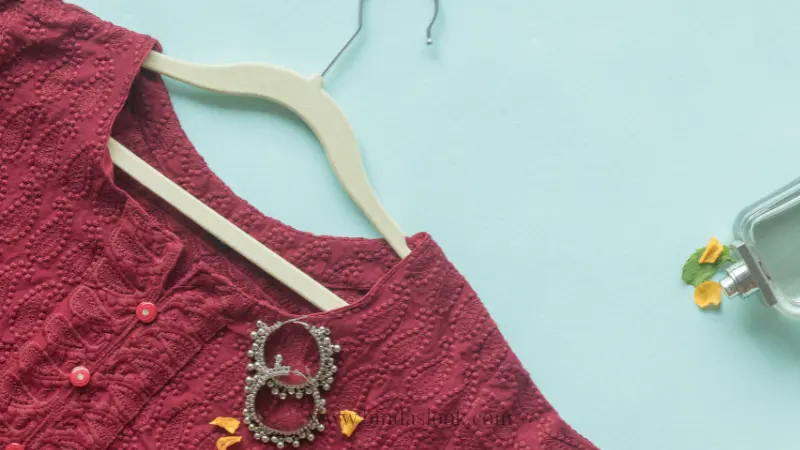
Profit from Nothing: 5 Zero-Waste Fashion Strategies Businesses MUST Adopt by 2026
The fashion industry, a powerhouse of creativity and economic activity, simultaneously grapples with a monumental waste problem. From discarded textiles polluting landfills to excessive resource consumption in production, the linear "take-make-dispose" model has reached its breaking point. However, within this challenge lies an unprecedented opportunity: the prospect of "profit from nothing" – turning waste into value, optimizing resources, and building truly sustainable enterprises. As expert content strategists and professional writers, we have systematically analyzed the evolving landscape of ethical commerce and the impending environmental pressures that demand a paradigm shift by 2026. This article delves into five critical zero-waste fashion strategies that are not merely ethical choices but essential business imperatives for longevity and profitability.The Imperative of Zero-Waste in Fashion: A Call to Action
Globally, the fashion industry is responsible for a significant portion of industrial water pollution and carbon emissions, alongside generating immense quantities of textile waste. Reports indicate that over 100 billion garments are produced annually, with a staggering amount ending up in landfills, often after minimal use. This unsustainable cycle not only depletes natural resources but also carries a heavy social and economic cost. The concept of "zero-waste" in fashion transcends simple recycling; it encompasses a holistic philosophy aimed at eliminating waste at every stage of a product's lifecycle, from design and production to consumption and eventual recovery. We contend that by 2026, businesses that fail to integrate zero-waste principles into their core operations will find themselves at a significant competitive disadvantage, unable to meet evolving consumer expectations, regulatory demands, and resource constraints. The transition to a circular economy is no longer a niche aspiration but a mainstream necessity.Understanding the Zero-Waste Fashion Paradigm
Zero-waste fashion is a revolutionary approach that seeks to design out waste and pollution, keep products and materials in use, and regenerate natural systems. It represents a fundamental shift from a linear model to a circular one, where resources are valued, reused, and recycled indefinitely. This paradigm acknowledges that "waste" is merely a resource in the wrong place and encourages innovative solutions to maximize material utility. For fashion businesses, this means rethinking everything from the selection of raw materials to end-of-life solutions for garments. The benefits extend beyond environmental stewardship, encompassing significant economic advantages such as reduced material costs, enhanced brand reputation, increased customer loyalty, and the creation of new revenue streams through innovative business models.Expert Takeaway: True zero-waste is an aspirational goal, but progress towards it yields tangible benefits. Start by identifying the largest waste streams in your current operations and prioritize efforts to mitigate them. Small, consistent steps towards waste reduction can lead to substantial improvements in efficiency and profitability over time.
Strategy 1: Design for Longevity and Circularity
The journey to zero-waste fundamentally begins at the design stage. Over 80% of a product's environmental impact is determined during its design phase. Therefore, conscious design is not just about aesthetics but about crafting garments that are durable, timeless, and inherently circular. This strategy involves a deep consideration of materials, construction techniques, and the garment's potential for reuse, repair, and recycling.Embracing the Cradle-to-Cradle Philosophy
The "cradle-to-cradle" concept, popularized by William McDonough and Michael Braungart, advocates for products to be designed with their end-of-life in mind, ensuring materials can be safely re-entered into either biological cycles (biodegradable) or technical cycles (recycled). For fashion, this translates to:- Material Selection: Prioritizing organic, recycled, upcycled, or biodegradable fibers. We emphasize materials like organic cotton, linen, hemp, recycled polyester, or innovative bio-based textiles. Understanding the properties and environmental footprint of various fabrics is crucial. For an insightful exploration into traditional materials, consider our Indian Textiles Guide: 10 Must-Know Fabrics for Every Woman, which highlights the rich heritage of sustainable materials.
- Durability and Quality: Designing garments that withstand frequent wear and washing, extending their active life. This often involves using higher-quality fabrics and robust construction methods.
- Timeless Design: Moving away from fast-fashion trends towards classic, versatile pieces that remain stylish for years. This reduces the pressure for constant new purchases.
- Modular and Repairable Design: Incorporating features that allow for easy repair or replacement of components (e.g., interchangeable buttons, easily repairable seams).
- Mono-materiality: Designing garments from a single type of fiber or easily separable components to simplify future recycling processes. Mixed fiber blends are notoriously difficult to recycle.
Strategy 2: Optimize Production Processes and Minimize Waste Generation
Beyond design, the production phase offers ample opportunities for waste reduction. Traditional manufacturing often results in significant pre-consumer waste, such as fabric scraps from cutting patterns. Zero-waste production strategies aim to minimize this waste, ideally bringing it down to near-zero.- Pattern Efficiency: Employing advanced pattern-making software and techniques (e.g., zero-waste patterns) that maximize fabric utilization, leaving minimal to no offcuts.
- Digital Prototyping: Utilizing 3D design software to create virtual prototypes, reducing the need for multiple physical samples and the associated material waste.
- Upcycling and Repurposing Scraps: Developing innovative ways to use fabric offcuts that inevitably occur. This could involve creating smaller accessories, patchwork designs, or shredding them for insulation or other material applications.
- On-Demand Production: Shifting from mass production to a made-to-order or small-batch production model. This significantly reduces overproduction and the likelihood of unsold inventory becoming waste. Technologies like automated cutting and sewing further streamline this.
- Lean Manufacturing Principles: Adopting methodologies that identify and eliminate waste in all forms across the production line, including excess motion, waiting time, and defects.
The Role of Technology in Waste Reduction
Technological advancements are pivotal in achieving production optimization. Artificial intelligence (AI) can predict demand more accurately, minimizing overstock. Robotics and automation can lead to more precise cutting and sewing, reducing errors and material waste. Furthermore, blockchain technology can provide unparalleled transparency in the supply chain, allowing businesses to track materials from source to finished product and identify areas of inefficiency or waste.Strategy 3: Implement Robust Reverse Logistics and Recycling Programs
The end of a garment's first life should not be the end of its utility. A robust zero-waste strategy integrates comprehensive reverse logistics and recycling programs to recapture value from used garments and textiles. This is arguably one of the most challenging, yet most impactful, areas for the fashion industry.- Take-Back Schemes: Businesses actively encourage customers to return old garments, regardless of brand, for responsible processing. This demonstrates a commitment to circularity and builds customer loyalty.
- Repair and Upcycling Services: Offering in-house or outsourced repair services extends the life of garments. Some brands even facilitate upcycling programs where old items are transformed into new products.
- Garment-to-Garment Recycling: Investing in and collaborating with textile recycling innovators who can process old textiles into new fibers. This is particularly complex for blended fabrics but significant advancements are being made. Mechanical and chemical recycling methods are continually improving.
- Strategic Partnerships: Collaborating with specialized recycling facilities, non-profits, and material innovators to ensure textiles are handled responsibly and diverted from landfills.
Expert Takeaway: Building effective reverse logistics requires a strong partnership network. Investigate local and national textile recycling initiatives and consider pilot programs to understand the complexities of collection, sorting, and processing returns. Transparency with customers about where their returned items go is key to building trust.
Strategy 4: Foster Consumer Engagement and Education
A zero-waste future for fashion cannot be achieved by businesses alone; it requires the active participation of consumers. Empowering customers with knowledge and choices is a cornerstone of this strategy.- Transparency in Supply Chain: Providing clear information about where and how products are made, the materials used, and the environmental impact. This can be achieved through digital product passports, QR codes, or detailed website sections.
- Educating on Sustainable Choices: Guiding consumers on how to identify sustainable materials, understand certifications, and make informed purchasing decisions. This includes highlighting the benefits of buying fewer, higher-quality items.
- Promoting Conscious Consumption and Garment Care: Offering tips on how to care for garments to extend their lifespan, including proper washing techniques, storage, and minor repairs. Educating consumers on the environmental impact of their washing habits is also crucial.
- Marketing the "Why": Communicating the brand's commitment to sustainability and the positive impact of zero-waste practices. This resonates with a growing segment of environmentally conscious consumers.
The Power of Storytelling in Sustainable Fashion
Effective communication is vital. Brands can use storytelling to connect consumers with the journey of their clothes, the artisans involved, and the environmental benefits of their chosen practices. This fosters a deeper appreciation for garments and encourages mindful consumption rather than disposable fashion.Strategy 5: Innovate Business Models for a Circular Economy
The traditional model of selling new products repeatedly is inherently linear. To truly embrace zero-waste and circularity, businesses must innovate their fundamental business models. This opens up new revenue streams and opportunities for deeper customer relationships.- Rental and Subscription Services: Offering garments for rent or on a subscription basis, allowing customers to enjoy variety without the burden of ownership. This extends the life of each garment across multiple users.
- Resale and Second-Hand Platforms: Facilitating the resale of pre-owned garments, either through brand-owned platforms or partnerships with established second-hand marketplaces. This capitalizes on the growing re-commerce market.
- Product-as-a-Service (PaaS): Shifting from selling a physical product to selling the utility or service derived from that product. For example, instead of buying a uniform, a company might "subscribe" to a uniform service where the supplier maintains and replaces garments.
- Customization and Personalization: Offering bespoke or personalized items reduces the likelihood of returns and ensures garments are cherished for longer periods.
- Repair-as-a-Service: Integrating repair services as a core offering, potentially through a subscription model, to encourage garment longevity.
Comparing Traditional vs. Circular Business Models
We find it instructive to directly compare the characteristics of traditional and circular fashion business models:| Feature | Traditional Linear Model | Circular Business Model |
|---|---|---|
| Core Philosophy | Take-Make-Dispose | Reduce-Reuse-Recycle-Regenerate |
| Value Creation | Volume of new sales, low cost | Resource efficiency, extended product life, services |
| Customer Relationship | Transactional (purchase event) | Long-term engagement (rent, repair, repurchase) |
| Primary Goal | Maximize immediate sales and consumption | Maximize resource utility, minimize waste, foster loyalty |
| Material Flow | Linear, from extraction to landfill | Cyclical, materials kept in use |
| Revenue Streams | Sales of new products | Sales, rental, subscription, repair, resale, material recovery |
The Financial and Reputational Rewards of Zero-Waste Adoption
Adopting zero-waste strategies is not merely an act of corporate social responsibility; it is a shrewd business decision with significant financial and reputational rewards.- Cost Savings: Reducing waste in production directly translates to lower material costs. Efficient pattern cutting, upcycling scraps, and minimizing overproduction can lead to substantial savings. Furthermore, reduced disposal fees and potential revenue from selling reclaimed materials add to the bottom line.
- New Revenue Streams: Innovative business models like rental, subscription, and resale open up entirely new avenues for profit. Repair services can also become a valuable offering.
- Enhanced Brand Image and Consumer Loyalty: In an era of increasing environmental awareness, brands committed to sustainability resonate strongly with consumers. A strong zero-waste policy can significantly boost brand reputation, attract new customers, and foster deep loyalty among existing ones. Studies consistently show that consumers are willing to pay a premium for sustainable products.
- Meeting Regulatory Pressures and Investor Expectations: Governments worldwide are enacting stricter regulations on waste management and textile disposal. Proactive adoption of zero-waste strategies positions businesses ahead of the curve, mitigating future compliance risks. Investors are also increasingly scrutinizing ESG (Environmental, Social, and Governance) performance, making sustainability a key factor in attracting capital.
- Competitive Advantage: Early adopters of comprehensive zero-waste strategies will gain a significant competitive edge, establishing themselves as leaders in a rapidly evolving market.