Rent, Return, Repeat: 5 Untapped Profit Models in the Exploding Fashion Rental Market by 2026
At BindasLook.com, we are constantly analyzing the evolving landscape of fashion, particularly how it intersects with sustainability, accessibility, and modern consumer desires. The "Rent, Return, Repeat" model is more than just a trend; it's a paradigm shift, especially within the vibrant and often investment-heavy world of ethnic fashion. As fashion enthusiasts, stylists, and textile experts, we have systematically analyzed the burgeoning fashion rental market, which is experiencing exponential growth and is projected to become a multi-billion dollar industry in the coming years. This growth is driven by a confluence of factors, including heightened environmental awareness, a desire for variety without ownership, and the rising cost of traditional apparel.
For brands and entrepreneurs, this presents an unparalleled opportunity to innovate and capture significant market share. The global fashion rental market, valued at approximately USD 2.47 billion in 2025, is forecasted to reach USD 9.18 billion by 2035, growing at a remarkable Compound Annual Growth Rate (CAGR) of 12.4% between 2026 and 2035. This explosive growth signals a powerful consumer shift towards access over ownership, particularly among younger demographics like Millennials and Gen Z, who increasingly prioritize experiences and sustainable consumption over acquiring material goods.
The Dynamic Evolution of the Fashion Rental Landscape
The concept of renting fashion is not entirely new, but its current iteration is far more sophisticated and impactful. Gone are the days when rental was solely associated with basic, limited options. Today, we observe a sophisticated ecosystem propelled by technological advancements, intricate logistics, and a profound understanding of consumer psychology. This transformation is particularly relevant for ethnic wear, where garments are often occasion-specific, intricately designed, and represent a significant investment. The online clothing rental market in India, for instance, is projected to achieve a 14.8% CAGR, largely fueled by festive clothing and increasing mobile payment adoption.
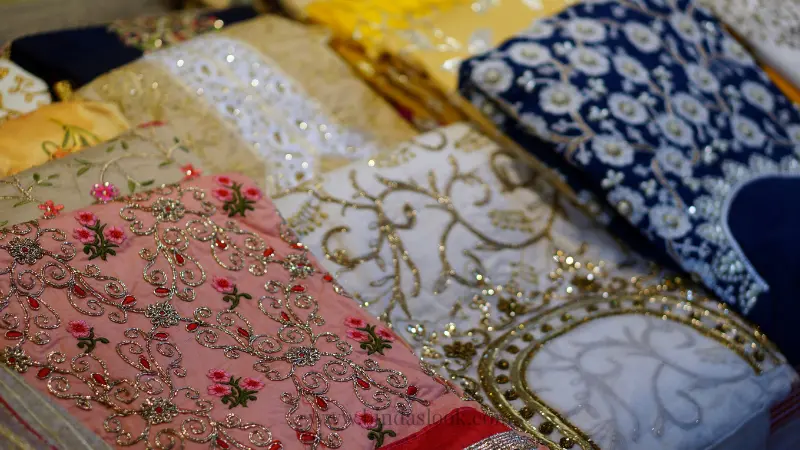
Our research indicates that the fashion rental market is thriving because it addresses several pain points for the modern consumer: cost-effectiveness for high-value items, the environmental impact of fast fashion, and the desire for diverse wardrobes without the burden of storage and maintenance. For ethnic fashion, this means access to designer lehengas, sarees, sherwanis, and gowns for weddings, festivals, and other special occasions, which might otherwise be worn only once or twice before being relegated to the back of a closet.
Current Trajectories: Why Rental is Reshaping Fashion
We've witnessed a significant cultural shift where consumers are increasingly conscious of their purchasing habits. A substantial portion of consumers are now motivated by sustainability when buying clothing. This awareness directly translates into a preference for circular fashion models like renting, which extend the lifespan of garments and reduce waste. The luxury sector, too, is embracing rental and pre-owned items, signaling a broader acceptance and legitimization of these models across all price points.
Moreover, the rise of digital platforms has made renting more accessible than ever. User-friendly interfaces, seamless booking processes, and efficient logistics management have dramatically improved the customer experience, making rental a mainstream lifestyle choice rather than a niche behavior.
Rent, Return, Repeat: The Philosophy Driving Innovation
The "Rent, Return, Repeat" philosophy encapsulates the essence of this evolving market. It’s about providing temporary access to an extensive, high-quality wardrobe, fostering a circular economy, and empowering consumers to express their style without the long-term commitment or environmental cost of ownership. This model is particularly potent for ethnic fashion, where a single designer outfit can cost upwards of Rs. 50,000 to Rs. 5,00,000, but may only be worn for a few hours. Rental makes aspirational fashion attainable, aligning with the values of the BindasLook community.
Exploring 5 Untapped Profit Models in Fashion Rental by 2026
Having meticulously studied the market dynamics and consumer behavior, we present five untapped profit models that we believe will define the future of the fashion rental market by 2026, offering significant opportunities for growth and innovation, particularly within the ethnic wear sector.
1. Curated Seasonal & Festive Wardrobe Subscriptions for Ethnic Wear
While subscription models are prevalent in general fashion rental, there's immense untapped potential in highly curated, season- and festival-specific ethnic wear subscriptions. Imagine a service where, ahead of Diwali, Eid, or the wedding season, customers receive a personalized box of 2-3 ethnic outfits, complete with matching accessories, tailored to their style preferences and upcoming events.
Mechanics: Subscribers pay a monthly or quarterly fee (e.g., Rs. 2,500 - Rs. 10,000) to access a rotating wardrobe of premium ethnic attire. AI and data analytics can be leveraged to personalize recommendations, optimize inventory utilization, and predict demand for specific festive wear.
Profit Potential: This model ensures recurring revenue, builds strong customer loyalty, and allows for efficient inventory management by anticipating seasonal demand. For BindasLook, this means establishing ourselves as the go-to platform for hassle-free festive and wedding styling, offering variety and convenience for every celebration.
- How to Style: For a Diwali subscription, a customer might receive a vibrant silk kurta set, an embroidered lehenga choli, and a contemporary Indo-Western gown. Styling tips would include how to mix and match pieces, integrate personal jewelry, and adapt outfits for different festive gatherings.
2. "Try-Before-You-Buy" Hybrid Rental-to-Ownership for Premium Ethnic Wear
High-end ethnic garments often come with a substantial price tag. This model allows customers to rent a premium ethnic outfit for an event and then, if they fall in love with it, apply a portion of their rental fee towards its purchase. This significantly reduces the perceived risk of a large investment and caters to the desire for both experience and eventual ownership.
Mechanics: A customer rents a designer lehenga for Rs. 15,000 for a wedding. If they decide to purchase it, Rs. 5,000 of the rental fee could be discounted from the original sale price. This bridges the gap between rental and retail, turning a temporary experience into a potential long-term asset. This approach is similar to how some rental platforms offer options to purchase rented items after the rental period.
Profit Potential: This model captures both rental revenue and direct sales, attracting customers who might otherwise be hesitant to commit to a full purchase. It transforms a one-time rental interaction into a potential sales conversion, enhancing customer lifetime value. It also allows for higher pricing points for the initial rental, reflecting the "option to buy" premium.
3. Authenticated Peer-to-Peer (P2P) Ethnic Fashion Marketplace
The peer-to-peer (P2P) rental model is gaining significant traction, allowing individuals to monetize their wardrobes. However, trust and authentication are critical. An untapped model involves creating a highly curated P2P marketplace specifically for ethnic wear, with BindasLook acting as a trusted intermediary for authentication, quality control, and professional cleaning.
Mechanics: Individuals list their high-quality ethnic garments on the BindasLook P2P platform. BindasLook facilitates secure transactions, handles logistics, and, crucially, offers optional (or mandatory for premium items) authentication and cleaning services before and after each rental. This alleviates concerns about hygiene and authenticity, which are major barriers in P2P fashion rentals.
Profit Potential: BindasLook can earn commission on each rental transaction, along with fees for authentication, cleaning, and logistics. This model requires minimal initial inventory investment from the platform and leverages the vast, often underutilized, ethnic wear collections of individuals, creating a truly circular economy. As a study published in the International Journal of Innovative Research in Technology highlights, P2P clothing rental is a feasible solution to the environmental problems of fast fashion in India.
4. B2B Partnerships for Event & Corporate Ethnic Styling
Beyond individual consumers, there's a largely untapped B2B market for ethnic fashion rental. Corporations, event management companies, and even film/television productions often require a large volume of ethnic attire for events, cultural programs, or themed shoots. BindasLook can position itself as a strategic partner.
Mechanics: BindasLook offers tailored rental packages for businesses, including bulk rentals of specific ethnic wear styles, on-site styling services, and flexible rental periods. This could range from traditional attire for hotel staff during festive seasons to themed outfits for corporate Diwali parties or film sets depicting Indian culture. Our market analysis indicates that B2B users are expected to represent a substantial share of the online clothing rental market by 2026, primarily for planned styling needs across events and media production.
Profit Potential: Long-term contracts with businesses provide stable, high-volume revenue. This model reduces seasonality risks and allows for the efficient deployment of inventory. It establishes BindasLook as a comprehensive solution provider, not just a consumer-facing platform.
5. Experiential "Ethnic Fashion Hubs" with Rental & Craft Workshops
In an increasingly digital world, physical experiences stand out. This model combines the convenience of rental with immersive cultural experiences, creating a unique destination for ethnic fashion. Think of it as a boutique showroom where customers can not only rent exquisite ethnic wear but also engage with the craft behind it.
Mechanics: Establish physical "Ethnic Fashion Hubs" in key metropolitan areas. These hubs would offer personalized styling consultations, a wide selection of rental ethnic wear, and exclusive workshops on traditional Indian embroidery, fabric dyeing, or draping techniques. These could also host trunk shows for local artisans, further enhancing the cultural narrative.
Profit Potential: Revenue streams include rental fees, workshop ticket sales, sales of artisanal crafts, and potential membership fees for exclusive access to events or collections. This model builds strong community engagement, reinforces BindasLook's brand as an authority in ethnic fashion, and creates a unique value proposition that transcends mere transaction. We believe this experiential approach aligns with insights from a McKinsey report, which highlights that consumers are increasingly seeking meaningful experiences and sustainability in their fashion choices.
Comparative Analysis of Rental Models
To further illustrate the distinct advantages and operational considerations of various rental models, we have prepared a comparative overview:
| Rental Model | Primary Value Proposition | Key Operational Challenges | Revenue Generation |
|---|---|---|---|
| Subscription-Based | Consistent variety, convenience, access to rotating wardrobe. | Inventory management, logistics, high cleaning volume, personalization. | Recurring monthly/quarterly fees. |
| One-Time/Occasion-Based | Access to specific high-value items for special events. | High garment turnover, ensuring availability for peak demand, cleaning and maintenance. | Per-item rental fees, potential late fees. |
| Peer-to-Peer (P2P) | Monetization of personal wardrobes, vast selection, lower overhead for platform. | Quality control, trust-building (authentication, reviews), dispute resolution, logistics. | Commission on transactions, added service fees (e.g., cleaning). |
| Hybrid Rental-to-Own | "Try before you buy" for premium items, reduced purchase risk. | Pricing strategy (rental vs. purchase), inventory depreciation, managing item wear-and-tear for eventual sale. | Rental fees, subsequent sales revenue. |
| B2B Partnerships | Bulk access to specific garments for events/corporate needs, tailored services. | Client relationship management, large-scale logistics, specific customization requests. | Contract-based fees, bulk rental charges, service fees. |
Navigating Challenges and Ensuring Success
While the profit potential is significant, successfully implementing these models requires careful planning and execution. We recognize that challenges such as logistics, inventory management, garment care, and customer service are inherent to the rental business. As a study led by researchers at Chalmers University of Technology points out, niche markets and close collaboration with suppliers can increase the chances of success in clothing rental.
At BindasLook.com, we are committed to leveraging technology for streamlined operations, investing in robust cleaning and maintenance protocols to ensure the longevity and pristine condition of our garments, and delivering exceptional customer experiences. Our focus on quality, authenticity, and sustainability will be the cornerstones of our success in this dynamic market.
Sustainability and Ethical Considerations
The "Rent, Return, Repeat" model is intrinsically linked to sustainable fashion. By extending the lifecycle of garments, reducing waste, and promoting conscious consumption, we actively contribute to a more ethical and environmentally friendly fashion industry. This commitment to sustainability resonates deeply with our brand ethos at BindasLook, aligning with the growing consumer demand for eco-conscious choices. The global secondhand market, which underpins the growth in rental demand, further emphasizes this shift.
We believe that by offering alternative consumption models, we can empower our customers to make stylish choices that also benefit the planet. This means transparent practices regarding garment sourcing, cleaning processes, and end-of-life solutions for textiles.
Frequently Asked Questions (FAQs)
Q1: Is fashion rental truly sustainable?
A1: Yes, when executed properly, fashion rental is highly sustainable. It extends the life cycle of garments, reducing the need for new production and minimizing textile waste. Platforms often use eco-friendly cleaning methods and efficient logistics to further reduce environmental impact.
Q2: How does BindasLook ensure the quality and hygiene of rented ethnic wear?
A2: At BindasLook, we implement rigorous quality control checks and professional, eco-friendly cleaning protocols after each rental. Garments undergo thorough inspection, sanitization, and minor repairs to ensure they are in pristine condition for the next customer. For P2P models, we offer optional authentication and cleaning services to maintain high standards.
Q3: What types of ethnic wear are most popular for rental?
A3: High-value, occasion-specific ethnic wear such as designer lehengas, elaborate sarees, festive anarkalis, sherwanis, and Indo-Western gowns are highly popular for rental, especially for weddings, festivals, and special events. These are often costly to purchase and worn infrequently, making rental an attractive option.
Q4: How can individuals participate in the P2P ethnic fashion marketplace?
A4: Individuals can list their premium ethnic garments on the BindasLook P2P platform, providing high-quality images and descriptions. Once an item is rented, BindasLook facilitates the exchange and offers optional services like authentication and professional cleaning, ensuring a seamless and trustworthy experience for both lenders and renters.
Q5: What are the primary benefits of a "Try-Before-You-Buy" model for customers?
A5: The "Try-Before-You-Buy" model allows customers to experience a high-value ethnic garment in a real-world setting before committing to a purchase. It reduces financial risk, ensures a perfect fit and style match for a specific event, and offers flexibility, potentially making aspirational fashion more accessible.
Conclusion
The fashion rental market is on an undeniable upward trajectory, offering a wealth of opportunities for innovation and profit. By focusing on untapped models such as curated subscriptions, hybrid rental-to-own programs, authenticated P2P marketplaces, B2B partnerships, and experiential hubs, we can redefine how consumers engage with fashion, particularly in the rich and diverse realm of ethnic wear.
At BindasLook.com, we are poised to lead this charge, merging our expertise in ethnic fashion with forward-thinking business strategies. We envision a future where luxury, sustainability, and accessibility are not mutually exclusive, but rather form the very fabric of our fashion choices. The "Rent, Return, Repeat" revolution is here, and we are excited to be at its forefront, offering our community stylish, responsible, and empowering fashion solutions.