From Fast Trends to Lasting Treasures: India's Slow Fashion Revolution
Have you ever bought a new outfit, worn it once or twice, and then felt it was 'out of style' or falling apart? We've all been there. For years, the fashion world has been dominated by 'fast fashion' – quick trends, cheap clothes, and endless new collections. But things are changing, especially here in India! There's a beautiful, powerful movement growing: the rise of slow fashion, particularly with our beloved handcrafted ethnic wear.
It’s not just a trend; it's a conscious choice. People, from curious teens to seasoned adults, are rethinking their wardrobes. They're asking: Where do my clothes come from? Who made them? And what impact do they have on our planet? The answer often leads them back to the timeless charm and undeniable quality of sustainable ethnic wear India proudly offers.
What Exactly Is Slow Fashion? Think Quality Over Quantity
Imagine your grandmother's saree or a sturdy kurta that has been passed down through generations. That's the essence of slow fashion! It's the opposite of fast fashion's 'buy now, discard quickly' mentality. Slow fashion is all about:
- Durability: Clothes that last for years, not just a few washes.
- Timelessness: Styles that don't go out of fashion with every season.
- Ethical Production: Ensuring fair wages and safe working conditions for artisans and workers.
- Environmental Responsibility: Using eco-friendly materials and processes, reducing waste and pollution.
- Mindful Consumption: Buying fewer, better quality items that you truly love and will cherish.
It's about making thoughtful decisions that benefit you, the makers, and the environment.
The Hidden Costs of Fast Fashion: A Wake-Up Call
While fast fashion might seem appealing with its low prices, the true cost is much higher. Here's a glimpse into its dark side:
- Environmental Catastrophe: The fashion industry is a major polluter. From excessive water usage to toxic dye runoff polluting rivers, and mountains of textile waste clogging landfills, the environmental impact is staggering. A single cotton t-shirt can require thousands of liters of water to produce!
- Human Exploitation: Many fast fashion brands rely on cheap labor in developing countries, where workers often face unfair wages, long hours, and unsafe conditions. Think about someone working tirelessly for just a few hundred INR a day to make that inexpensive dress.
- Poor Quality, Short Lifespan: To keep prices low, fast fashion often compromises on material quality and craftsmanship. This means clothes wear out quickly, contributing to the 'throwaway' culture.
Understanding these issues makes the appeal of sustainable ethnic wear India offers even stronger.
Why India is the Perfect Home for Slow Fashion
India isn't new to slow fashion; it's ingrained in our history and culture. For centuries, our country has been a treasure trove of incredible textile traditions and artisanal skills. From the intricate weaves of Banaras and Kanchipuram to the vibrant block prints of Rajasthan and the delicate embroideries of Lucknow, every region tells a story of craftsmanship, patience, and natural beauty.
This rich heritage makes India uniquely positioned to lead the slow fashion movement. We have:
- A Legacy of Handcraftsmanship: Generations of artisans have perfected skills like handloom weaving, natural dyeing, block printing, and various forms of embroidery.
- Abundant Natural Resources: Cotton, silk, jute, and various plant-based dyes are native to India, providing sustainable raw materials.
- Cultural Value for Longevity: Traditionally, Indian garments were made to last, often being repaired, repurposed, or passed down, embodying slow fashion principles long before the term existed.
The Unmatched Charm of Handcrafted Ethnic Wear
When you choose a piece of handcrafted ethnic wear, you're not just buying clothing; you're investing in art, history, and community. Here’s why it’s winning hearts across the nation and beyond:
1. Unique Stories in Every Stitch
Unlike mass-produced items, no two handcrafted pieces are exactly alike. Each saree, kurta, or dupatta carries the unique imprint of the artisan's hands, their skill, and their dedication. It tells a story – of a village, a craft tradition, or even the artisan's personal journey. Imagine wearing a Banarasi silk saree where each motif was meticulously woven by hand, or a Kalamkari dress hand-painted with natural dyes. These are conversation starters, not just garments.
2. Unrivaled Quality and Durability
Fast fashion often relies on synthetic fabrics and quick manufacturing techniques. Handcrafted ethnic wear, however, typically uses natural fibers like organic cotton, pure silk, linen, and blends, which are often more breathable, comfortable, and durable. Artisans put their heart into their work, resulting in stronger seams, finer finishes, and a garment that truly stands the test of time. You might pay a bit more upfront (e.g., 2,000 INR vs. 500 INR for a similar item), but the cost per wear over years will be significantly lower.
3. Supporting Artisans and Local Economies
When you buy handcrafted ethnic wear, you are directly supporting the livelihoods of skilled artisans and their families. Many of these craft communities are in rural areas, and your purchase helps sustain their traditions and ensures they receive fair compensation for their invaluable work. This also helps prevent these ancient crafts from fading away, keeping India's cultural heritage alive and thriving. It's a way to give back and foster a sustainable local economy.
4. A Deep Cultural Connection
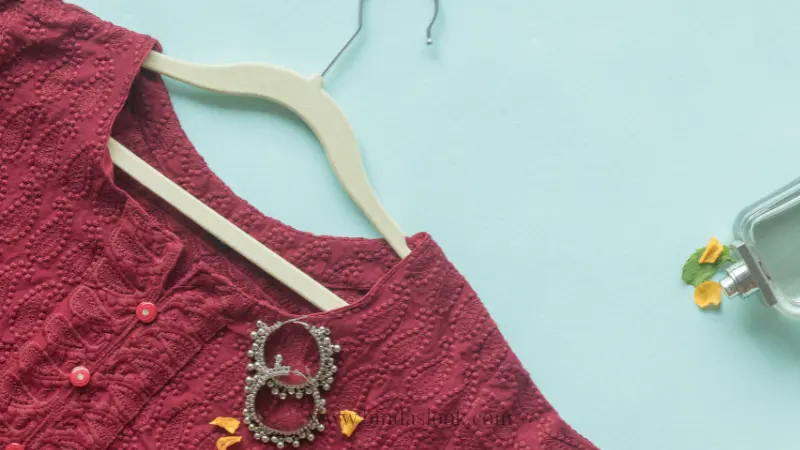
Wearing handcrafted ethnic wear is a way to connect with India's vibrant culture and diverse traditions. Whether it's a Bandhani dupatta, an Ikat saree, or a Chikan embroidered kurta, each piece represents a facet of our country's rich textile legacy. It’s a way to celebrate and preserve our heritage while looking stylish and feeling connected to something meaningful.
Sustainability: The Heartbeat of Handcrafted Ethnic Wear
The very nature of handcrafted ethnic wear aligns perfectly with sustainability goals:
- Eco-friendly Materials: Many traditional crafts use natural fibers and dyes. Organic cotton, indigenous silks, and natural dyes derived from plants, minerals, and even food waste (like turmeric or indigo) significantly reduce the environmental footprint compared to synthetic fabrics and chemical dyes.
- Reduced Waste: Handloom weaving and other traditional techniques often produce less waste than industrial manufacturing. Artisans work with precision, valuing every thread.
- Longevity Over Trends: By investing in well-made, durable garments, you reduce the need for constant replacements, thereby minimizing textile waste.
- Low Carbon Footprint: Many artisanal processes are less energy-intensive than factory production, often relying on human skill and traditional tools rather than large, fossil-fuel-powered machinery.
Choosing sustainable ethnic wear India offers is a powerful step towards a greener future.
How You Can Embrace Slow Fashion in India
Ready to join the movement? Here’s how you can make more conscious choices:
- Educate Yourself: Learn about different Indian crafts, their origins, and the artisans behind them. Brands like Fabindia, Anokhi, and many emerging online stores specialize in handcrafted sustainable wear.
- Support Local Artisans and Small Businesses: Look for stores that directly work with artisan clusters, co-operatives, or independent designers committed to ethical production. Online platforms are making it easier than ever to discover these hidden gems.
- Invest in Quality Pieces: Instead of buying five cheap kurtas, consider investing in one or two beautifully crafted, durable pieces. Think about the 'cost per wear' – a 3,000 INR saree worn for 10 years is far more economical and sustainable than a 500 INR dress worn twice.
- Care for Your Clothes: Learn how to properly care for your garments to extend their life. Handwashing delicate fabrics, drying clothes naturally, and mending small tears can make a huge difference.
- Repair, Repurpose, and Upcycle: Don't throw away clothes with minor damage. Get them repaired! Or unleash your creativity and repurpose old sarees into dupattas, blouses, or even home decor.
- Borrow or Rent: For special occasions like weddings or festivals, consider renting ethnic wear instead of buying new, especially if it’s a style you’ll wear infrequently.
The Impact on You: More Than Just Clothing
Embracing slow fashion and handcrafted ethnic wear isn't just good for the planet and artisans; it's incredibly rewarding for you too:
- Develop Your Unique Style: Move beyond fleeting trends and build a wardrobe that truly reflects your personality and values.
- Feel Good About Your Choices: There’s a special satisfaction in knowing your clothes were made ethically and sustainably, by skilled hands.
- Long-lasting Love: You'll cherish your handcrafted pieces more, forming a deeper connection with your wardrobe.
- Comfort and Confidence: Natural fabrics often feel better on the skin, and wearing something truly unique can boost your confidence.
The Future is Bright: A Sustainable Fashion Movement in India
The shift towards sustainable ethnic wear India is witnessing is more than just a passing fad. It's a fundamental change in how we view and consume fashion. From young influencers promoting conscious living to established designers embracing traditional techniques, the movement is gaining momentum across all age groups.
As more consumers become aware of the environmental and social impacts of fast fashion, the demand for ethical and handcrafted alternatives will only grow. This is excellent news for our planet, our artisans, and our rich cultural heritage.
Join the Revolution, One Handcrafted Piece at a Time
So, next time you're looking for something new, pause and consider the story behind the garment. Opt for the beauty, quality, and ethics of handcrafted ethnic wear. By choosing sustainable ethnic wear India proudly offers, you're not just making a fashion statement; you're making a statement for a better world. Let's embrace the slow fashion revolution and celebrate the incredible artistry that thrives in every corner of India.