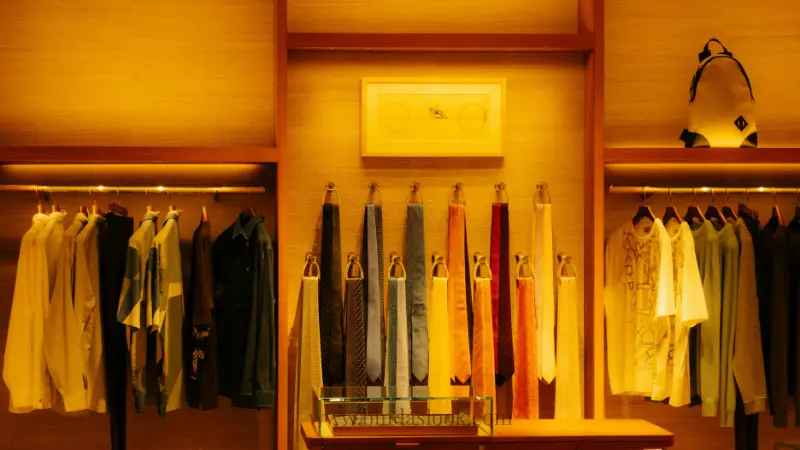
The fashion industry, a global behemoth valued at trillions of USD, is at a critical juncture. While it brings creativity, employment, and cultural expression, its environmental footprint is undeniable and increasingly scrutinized. From staggering water pollution and excessive waste to significant carbon emissions, the industry’s impact is profound. In response, there's a growing, urgent call for sustainability, pushing brands to adopt greener practices and reduce their ecological burden. However, this transformative shift, while laudable and necessary, often comes with a hefty price tag, a cost predominantly borne by the very producers who bring these visions to life. This article delves into the complex dynamics of sustainable fashion, exploring how the industry strives to mitigate its environmental impact, and critically examining the economic realities and challenges faced by manufacturers, particularly in developing economies, as they navigate this green revolution.
The Heavy Environmental Footprint of Fashion
Before we discuss the costs, it’s crucial to understand the scale of the problem the fashion industry is attempting to address. The production lifecycle of a single garment is resource-intensive and often environmentally damaging:
- Water Consumption: Textile production, especially cotton farming, is incredibly thirsty. It takes thousands of liters of water to produce just one cotton t-shirt. The dyeing and finishing processes further exacerbate water pollution, discharging toxic chemicals into waterways.
- Carbon Emissions: From the cultivation of raw materials to manufacturing, transportation, and retail, every stage of the fashion supply chain contributes to greenhouse gas emissions. Energy-intensive factories, long-distance shipping, and the rapid consumption cycle of "fast fashion" significantly increase the industry's carbon footprint. The fashion industry alone accounts for approximately 10% of global carbon emissions, more than international flights and maritime shipping combined.
- Waste Generation: The fast fashion model encourages frequent purchases and disposals, leading to mountains of textile waste clogging landfills. Many synthetic fibers, like polyester, can take hundreds of years to decompose, releasing microplastics into the environment. Even natural fibers often end up in landfills, generating methane as they break down, a potent greenhouse gas.
- Chemical Pollution: Dyes, bleaches, and other chemicals used in textile processing pose severe health risks to workers and pollute local ecosystems, affecting biodiversity and human health. An estimated 200,000 tons of dyes are lost to wastewater each year during textile processing, leading to significant ecological damage.
The urgency to transition to a more sustainable model is not just an ethical imperative but an economic necessity, as consumers and regulators increasingly demand responsible practices and stricter environmental safeguards.
The Green Transition: Innovations & Commitments
In response to these pervasive environmental challenges, a significant shift is underway across the global fashion landscape. Many major fashion brands are publicly committing to ambitious sustainability goals, including achieving net-zero emissions, adopting circular economy principles, and enhancing supply chain transparency. This drive has spurred innovation across the industry:
- Sustainable Materials:
- Organic and Recycled Fibers: There's a concerted move towards organic cotton, which uses less water and no synthetic pesticides, as well as hemp, linen, and recycled materials like recycled polyester (rPET) made from plastic bottles, and regenerated nylon (ECONYL) from fishing nets.
- Innovative Bio-Based Materials: Cutting-edge research is yielding promising alternatives from sources like pineapple leaves (Piñatex), mushroom mycelium, algae, and lab-grown silk, all engineered to have a significantly lower environmental footprint.
- Advanced Dyeing Technologies: Innovations like waterless dyeing techniques, natural dyes extracted from plants, and digital printing methods are dramatically reducing water consumption and chemical use in the coloration process.
- Efficient Production Processes:
- Energy Efficiency: Factories are investing heavily in renewable energy sources like solar panels, installing energy-efficient machinery, and deploying smart technologies to monitor and reduce overall energy consumption.
- Water Conservation: Advanced filtration systems allow for extensive water recycling within facilities. Technologies like laser finishing for denim significantly reduce the astronomical water requirements of traditional denim production.
- Waste Reduction: Implementing zero-waste cutting techniques, upcycling textile scraps into new products, and designing garments for disassembly to facilitate easier recycling are becoming common practices aimed at minimizing landfill contributions.
- Supply Chain Transparency and Traceability: Brands are under increasing pressure to map their entire supply chains, understand the precise origins of their materials, and ensure ethical labor practices and stringent environmental standards at every stage, from farm to finished garment. Blockchain technology is emerging as a powerful tool to enhance this transparency.
- Product Longevity and Circularity:
- Designing durable clothing that is built to last longer, counteracting the fast fashion cycle.
- Promoting repair services, facilitating resale markets, and developing rental models to extend the active lifespan of garments.
- Developing robust and effective recycling infrastructures for post-consumer textile waste, aiming to keep materials in use and out of landfills.
These efforts are commendable, aiming to reshape the industry into a more responsible and future-proof entity. However, the implementation of these initiatives doesn't come cheap, and the financial burden is often unevenly distributed.
The Producer's Dilemma: Bearing the Costs
While global fashion brands often reap the reputational and market benefits of embracing "green" fashion, the financial brunt of these transformations disproportionately falls on the manufacturers and suppliers. This is particularly true in key garment-producing regions such as India, Bangladesh, Vietnam, and China, where much of the world's clothing is produced. These producers, often operating on already thin margins, face substantial new expenses that can profoundly impact their economic viability:
High Capital Investments
Upgrading existing facilities to meet higher environmental and social standards requires significant capital investment. This includes:
- Purchasing new, energy-efficient machinery for weaving, sewing, and finishing processes.
- Installing renewable energy systems, such as large-scale solar panel arrays, which can cost millions of INR or USD.
- Implementing advanced water recycling and effluent treatment plants (ETPs) to purify wastewater before it is safely discharged or reused, an essential but costly infrastructure investment.
- Adopting sophisticated air filtration and pollution control systems to reduce emissions from factory operations.
For a small or medium-sized enterprise (SME) in a developing country, these investments can be daunting, representing a substantial portion of their annual revenue or even requiring external financing that may be difficult to secure.
Premium for Sustainable Materials
Sourcing sustainable raw materials – be it certified organic cotton, recycled polyester, or innovative bio-fabrics – frequently comes at a higher price point compared to conventional alternatives. The supply chains for these nascent materials are often less established, leading to higher procurement costs, potentially longer lead times, and less flexibility. Producers must absorb these increased material costs, which can significantly erode their profit margins if not adequately compensated by the brands they supply.
Certification & Compliance Burden
To validate their sustainability claims and meet brand requirements, producers must often undergo rigorous third-party certifications (e.g., GOTS for organic textiles, OEKO-TEX for chemical safety, Fair Trade, Higg Index). These certifications involve:
- Steep application fees and annual renewal fees, sometimes in the thousands of USD or Euro.
- Expensive and time-consuming audits by external bodies to ensure continuous compliance with environmental, social, and labor standards.
- Costs associated with maintaining detailed records, implementing new management systems, and conducting regular internal assessments to meet stringent audit requirements.
The administrative and financial burden of continuous compliance can be overwhelming, especially for producers who work with multiple brands, each potentially having its own specific set of varying requirements.
Operational Shifts & Training
Adopting sustainable practices often means overhauling established operational procedures and investing in human capital. This can involve:
- Slower Production Cycles: Environmentally friendly processes, such as natural dyeing or specialized recycling, might take longer than conventional, chemical-intensive methods, potentially reducing short-term production capacity.
- Increased Labor Costs: Training workers on new sustainable techniques, waste segregation, energy conservation measures, and ethical labor practices requires significant time and resources. Ensuring fair wages and safe working conditions, often central to ethical sustainability goals, also contributes to increased labor costs.
- Enhanced Waste Management: Implementing comprehensive waste reduction and recycling programs, which might include specific sorting, specialized storage, and engaging with third-party recyclers or upcycling initiatives, adds layers of complexity and cost to daily operations.
Pricing Pressure & Thin Margins
Ultimately, the most significant challenge for producers is often financial. Brands frequently expect manufacturers to absorb a substantial portion of these increased costs without proportional increases in the prices paid for goods. This pressure can squeeze already razor-thin profit margins, making it exceedingly difficult for producers to invest further in sustainability or even maintain their operational viability. This is particularly poignant when we consider that many producers operate in economies where even a slight dip in profit can have severe repercussions on employment, wages, and local livelihoods. Many Indian brands and manufacturers, despite facing these challenges, are actively adapting to these global shifts. The recent surge in Indian brands amid a manufacturing and e-commerce boom highlights both the immense opportunities and the intensive pressures within the sector. While e-commerce growth offers new avenues for market access, the underlying costs of sustainable production remain a critical factor that producers must contend with.
The Consumer's Crucial Role
Consumers play a pivotal role in this complex equation. While surveys often indicate a strong desire for eco-friendly products, the willingness to pay a noticeable premium for sustainable fashion remains a significant barrier for many. This doesn't always translate into purchasing decisions, especially when faced with significantly higher price tags for consciously produced garments compared to fast fashion alternatives. Educating consumers about the true cost of fashion, including its profound environmental and social impact, is vital. Platforms like Bindaslook.com's shop can offer curated collections that highlight ethically produced or sustainable garments, making it easier for consumers to discover and make informed choices. Exploring different categories of clothing with clear sustainability filters and transparency about production could also empower shoppers to align their values with their purchases. By demanding transparency and consciously choosing sustainable options, consumers can drive market shifts and incentivize brands to support their producers better.
Government and Policy Levers
Governments also have a crucial role to play in shaping the trajectory of sustainable fashion. Policies can either hinder or significantly accelerate the transition:
- Incentives and Subsidies: Governments can offer targeted financial incentives, grants, and tax breaks to producers who invest in green technologies, sustainable materials, and environmentally responsible practices. Such support can bridge the initial investment gap for SMEs.
- Strict Regulations: Robust environmental regulations on wastewater discharge, chemical use, and waste management can level the playing field, ensuring that all producers adhere to a minimum standard, preventing "greenwashing" and discouraging unsustainable practices.
- Extended Producer Responsibility (EPR): EPR schemes can hold brands accountable for the entire lifecycle of their products, including end-of-life management and recycling. This mechanism can shift some financial burden back to the brands and away from individual producers, fostering a more circular economy.
- Infrastructure Development: Investing in national or regional textile recycling infrastructure, waste management systems, and research into sustainable technologies can support circular economy initiatives, reducing the burden on individual manufacturers and creating a more efficient ecosystem.
Forging a Sustainable Future: A Collective Responsibility
The journey towards a truly sustainable fashion industry, one that significantly reduces its colossal environmental emissions, is an imperative, not merely a choice. However, this journey cannot be shouldered by producers alone. It requires a collaborative, systemic approach involving all stakeholders:
- Brands: Must commit to fairer purchasing practices, including offering higher prices that genuinely cover the increased costs of sustainable production. They should also actively invest in producer capabilities through knowledge sharing, technical assistance, and direct financial support for necessary infrastructure upgrades and training.
- Producers: Need to continue to innovate, adopt best practices, and collaborate to share knowledge and resources. Forming collectives or associations can also give them stronger bargaining power and a unified voice in negotiations with international brands and policymakers.
- Consumers: Must prioritize longevity, conscious consumption, and be willing to support brands and products that genuinely invest in ethical and sustainable practices. Informed demand is a powerful driver of sustainable supply.
- Governments: Should create an enabling environment through supportive policies, accessible financial incentives, robust regulatory frameworks, and investments in essential green infrastructure.
- Technology & Innovation: Continued investment in research and development for new materials, more efficient processes, and advanced supply chain solutions will be critical to making sustainability more cost-effective and scalable across the industry.
Conclusion
The fashion industry's pivot towards reducing its colossal environmental emissions is an undeniable imperative. While significant strides are being made in green innovation and corporate commitments, the current model often places an unfair financial burden on the very producers who are essential to this transformation. This imbalance threatens the livelihoods of millions, risks stifling the pace of change, and ultimately undermines the industry’s ability to achieve its sustainability goals. Achieving true sustainability in fashion means recognizing and valuing the efforts of producers, ensuring fair compensation for their investments, and fostering a shared responsibility across the entire value chain. Only when the costs and benefits are equitably distributed can the industry truly weave a future that is stylish, prosperous, and genuinely sustainable for all.