The Resale Revolution: 3 Critical Consumer Shifts Driving the USD 100 Billion Market by 2026
At BindasLook.com, we are not just observers of fashion; we are active participants and keen analysts, always peering into the future of style. Today, we delve into a phenomenon that is rapidly reshaping the global fashion landscape: the resale revolution. This isn't merely a fleeting trend; it's a powerful economic and cultural movement, poised to transform the fashion industry into a USD 100 billion market by 2026. What's driving this monumental shift? We have systematically analyzed the market and identified three critical consumer shifts that are propelling pre-loved pieces into the spotlight, making them central to the modern wardrobe.
From vintage treasures to barely-worn designer pieces, the allure of second-hand fashion is undeniable. It's about more than just finding a bargain; it's about making conscious choices, expressing unique personal style, and participating in a more circular economy. As experts in both traditional and contemporary fashion, we believe understanding these shifts is crucial for every discerning shopper, whether you're curating a wardrobe of ethnic wear or seeking that perfect statement accessory.
Understanding the Scale: A Market Transformed
The numbers speak for themselves. What was once considered a niche pursuit or a budget-friendly alternative has exploded into a mainstream powerhouse. Projections indicate that the global second-hand apparel market is on an accelerated growth trajectory, estimated to reach USD 350 billion by 2027, with the segment often focused on brand-name items and luxury goods being a significant driver. This expansion isn't accidental; it's a direct response to evolving consumer values and digital advancements that have made buying and selling pre-owned items easier and more accessible than ever before. We see platforms, both global and local, facilitating these transactions, connecting buyers with unique pieces and sellers with an opportunity to extend the life of their garments.
This growth is fueled by a generational shift in consumer behavior. Younger generations, particularly Gen Z and millennials, are increasingly embracing resale not just as an option, but as a preferred way to shop. They prioritize sustainability, affordability, and individuality, all of which the resale market offers in abundance. For a brand like BindasLook, which champions modern ethnic wear, understanding this dynamic is vital to continue providing styles that resonate with conscious consumers.
Shift 1: The Sustainability Imperative – Dressing with a Conscience
Perhaps the most significant driver behind the resale revolution is the growing global awareness of fashion's environmental impact. The linear "take-make-dispose" model of fast fashion has led to staggering levels of waste, pollution, and resource depletion. Consumers, armed with more information than ever before, are demanding change, and they are voting with their wallets.
The Environmental Cost of New:
- Resource Intensive: Producing new garments consumes vast amounts of water, energy, and raw materials (cotton, polyester, dyes).
- Waste Generation: The equivalent of one garbage truck of textiles is landfilled or incinerated every second globally.
- Pollution: Dyeing processes pollute waterways, and microplastic shedding from synthetic fibers contaminates oceans.
- Carbon Footprint: Every stage of production, from cultivation to manufacturing and transportation, contributes to greenhouse gas emissions.
Resale offers a powerful antidote to these environmental challenges. By extending the lifespan of clothing, we reduce the demand for new production, thereby conserving resources, minimizing waste, and lowering carbon emissions. Each pre-loved item purchased is one less item produced, leading to a tangible positive impact on our planet. We recognize this deep connection between personal style and planetary well-being. This is why discussions around topics like Sustainable Fashion Trends 2026: The Style Revolution - BindasLook.in are more important than ever.
Practical Tips for Sustainable Resale Shopping:
- Prioritize Quality: Look for well-made garments from durable fabrics that will stand the test of time.
- Understand Materials: Educate yourself on sustainable fabrics. Opt for natural fibers like organic cotton, linen, or silk when possible. For example, knowing the characteristics of various fabrics helps in assessing longevity and care needs. If you're interested in Indian textiles, we have a fascinating guide on Indian Textiles Guide: 10 Must-Know Fabrics for Every Woman - BindasLook.in.
- Repair and Revive: Learn basic mending skills to extend the life of your purchases. A small tear or loose button shouldn't be a reason to discard a garment.
- Choose Local: Whenever possible, shop from local consignment stores or participate in community clothing swaps to reduce transportation emissions.
We systematically analyze annual reports from leading resale platforms. For instance, the 2024 Resale Report by ThredUp, a prominent online resale marketplace, highlights that 62% of consumers say they have bought or are open to buying second-hand clothing, primarily driven by sustainability concerns among younger demographics. This data underscores a fundamental shift in consumer mindset, away from disposability and towards mindful consumption. ThredUp's Resale Report consistently provides robust data supporting this trend.
Shift 2: Value and Accessibility – Smart Shopping Redefined
Beyond environmental consciousness, the allure of smart spending is a powerful catalyst for the resale market. In an economic climate where every rupee counts, consumers are increasingly seeking value without compromising on quality or style. The resale market delivers precisely this, offering access to high-quality, often designer, items at a fraction of their original price.
Economic Benefits for Buyers:
- Significant Savings: Acquire premium brands, vintage finds, and contemporary pieces at greatly reduced prices. A designer kurti that might cost thousands of INR new could be found for a few hundred in the resale market.
- Access to Luxury: For many, resale makes aspirational brands and luxury items attainable, democratizing high fashion.
- Investment Pieces: Certain vintage or limited-edition items can appreciate in value, making some resale purchases savvy investments rather than mere expenses.
- Budget Expansion: Shoppers can expand their wardrobe possibilities, acquiring more items or higher quality pieces for the same budget.
But the value proposition isn't just for buyers. Sellers also benefit immensely, turning unworn or forgotten garments into cash. This circular financial model provides an incentive for consumers to declutter their closets sustainably, fostering a continuous flow of items back into the market. We encourage our community to think about the latent value in their own wardrobes.
Tips for Selling in the Resale Market:
- Condition is Key: Be honest about the condition of your items. Clean, well-maintained garments sell faster and for better prices.
- High-Quality Photos: Clear, well-lit photographs from multiple angles showcasing details and any imperfections are crucial.
- Detailed Descriptions: Provide accurate information about brand, size, fabric composition, measurements, and any unique features.
- Competitive Pricing: Research similar items on various platforms to set a fair and attractive price.
This shift redefines "new" not as "never-before-owned," but as "new-to-you." It promotes a mindset where quality and longevity are valued over fleeting trends, aligning perfectly with BindasLook's philosophy of timeless style fused with modern aesthetics. By embracing resale, shoppers become savvier, making informed decisions that benefit both their wallets and their personal style journeys.
Shift 3: The Quest for Uniqueness and Circularity – Personal Style Reimagined
In a world increasingly dominated by mass production and homogenized styles, consumers are yearning for individuality. The third critical shift driving the resale revolution is the desire for unique, one-of-a-kind pieces that truly express personal style, alongside a growing commitment to circular economy principles.
Embracing Individuality:
- Vintage Finds: Resale markets are treasure troves for vintage clothing, offering styles from bygone eras that are impossible to find new. This allows for truly distinctive ensembles.
- Limited Editions: Discover discontinued lines or limited-edition collaborations that are no longer available in retail stores.
- Storytelling: Each pre-loved item carries a unique history, adding depth and character to your wardrobe. It's about owning a piece with a past.
- Curated Collections: Build a wardrobe that reflects your personality, free from the constraints of current season trends.
Furthermore, the resale market is a tangible manifestation of the circular economy in fashion. Instead of discarding items, they are given a new life, circulating from one owner to the next. This model contrasts sharply with the traditional linear economy, where products are made, used, and then disposed of. Participating in resale means actively contributing to a system that minimizes waste and maximizes resource efficiency.
We believe that personal style is an evolving journey, and the resale market provides endless opportunities for exploration and self-expression. It encourages creativity and a deeper appreciation for craftsmanship and design. When you integrate pre-loved pieces, you're not just buying clothes; you're curating a narrative.
Comparison: New vs. Resale Purchases
| Feature | New Purchase | Resale Purchase |
|---|---|---|
| Cost | Full retail price, often higher due to branding and marketing. | Significantly reduced price, often 30-70% off original retail. |
| Environmental Impact | High (resource consumption, waste, carbon footprint from production). | Low (extends product life, reduces demand for new production). |
| Uniqueness | Mass-produced, often aligned with current mainstream trends. | High potential for unique, vintage, or rare finds. |
| Condition | Brand new, unworn. | Varies from "like new" to "gently used" or "vintage with character." |
| Discovery | Available in retail stores, online brand sites. | Requires searching on platforms, thrift stores, or consignment shops. |
| Returns | Standard return policies usually apply. | Often final sale; inspect thoroughly before purchase. |
How to Integrate Resale into Your Modern Ethnic Wardrobe
Even for lovers of traditional Indian clothing and modern ethnic wear, the resale market presents exciting possibilities. Imagine finding a vintage silk saree, a unique embroidered kurti, or a handcrafted jewelry piece that adds unparalleled character to your look. The key is to blend new, high-quality ethnic pieces with pre-loved gems to create a wardrobe that is both fresh and timeless.
How to Style Pre-Loved Ethnic Wear:
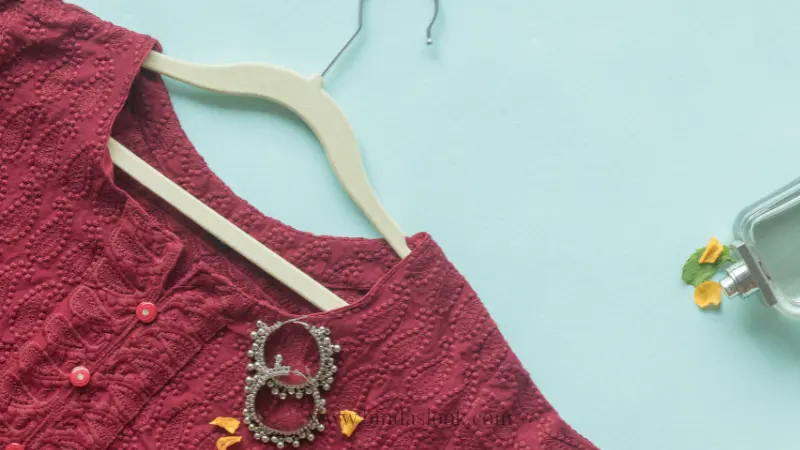
- The Statement Dupatta: A vintage silk or embroidered dupatta can instantly elevate a simple maroon rayon kurti or even a plain top and jeans.
- Mix & Match Blouses: Discover beautifully tailored, unique blouses to pair with existing sarees or lehengas, creating entirely new ensembles.
- Vintage Jewelry: Antique silver or handcrafted bead necklaces, earrings, and bangles found in the resale market add an authentic touch to any ethnic outfit.
- Layering with Jackets: An embroidered jacket or vest, perhaps from a different era, can add a rich texture and unique flair to a contemporary ethnic dress or jumpsuit.
- Re-imagined Silhouettes: Sometimes, a pre-loved garment can be altered or restyled to fit current trends, breathing new life into it.
When shopping for ethnic wear in the resale market, pay close attention to the fabric and embroidery. Look for quality silks, cottons, chiffons, and intricate handwork. These materials tend to age gracefully and maintain their beauty, making them excellent candidates for a second life. Our ongoing commitment to informing our readers about all aspects of fashion is reflected in our comprehensive Fashion Trends & Ethnic Style Guide | BindasLook.com, where we explore how such market shifts influence everyday styling decisions.
Garment Care: Ensuring Longevity of Your Resale Treasures
One of the foundational principles of a circular fashion economy is extending the life of existing garments. This means that proper garment care becomes paramount, especially for your cherished resale finds. We’ve meticulously researched and compiled best practices to help you keep your ethnic and modern wear looking pristine for years.
Essential Garment Care Tips:
- Read Care Labels: Always check the label for specific washing instructions. If buying pre-loved without a label, research the fabric type. For delicate ethnic wear, hand washing or dry cleaning might be recommended.
- Gentle Washing: For most garments, a gentle cycle with cold water and a mild detergent is best. Turn clothes inside out to protect colors and embellishments.
- Air Drying: Avoid harsh machine dryers as they can damage fibers, cause shrinkage, and fade colors. Air dry on a hanger or lay flat, away from direct sunlight.
- Proper Storage: Store clothes in a cool, dry place. Use padded hangers for heavy ethnic garments to prevent stretching. Fold knits to prevent shoulder bumps. Consider breathable garment bags for special pieces.
- Spot Treatment: Address stains immediately with a gentle stain remover suitable for the fabric.
- Repair Promptly: Don't let a small tear or loose button escalate. Prompt repairs can save a garment from premature retirement.
- Seasonal Storage: For clothes you won't wear for a season, clean them thoroughly before storing them in breathable containers to prevent mildew and insect damage.
By investing time in proper care, you not only preserve your garments but also deepen your appreciation for them, embodying the sustainable ethos of the resale revolution.
The Future is Circular: BindasLook's Perspective
The resale revolution is more than just a market trend; it's a paradigm shift towards a more conscious and circular way of interacting with fashion. As a brand that stands for modern ethnic fashion, BindasLook is deeply invested in promoting styles that are not only beautiful and contemporary but also thoughtful and sustainable. We believe that by embracing quality, longevity, and versatility, both new and pre-loved items can coexist harmoniously in a discerning wardrobe.
This movement encourages creativity, values individuality, and champions environmental responsibility. It empowers consumers to make informed choices, extend the lifecycle of products, and contribute to a healthier planet. The journey to a USD 100 billion resale market by 2026 is a testament to the collective power of consumers demanding change and embracing a future where fashion is as sustainable as it is stylish.
We are constantly evolving and exploring ways to integrate these forward-thinking principles into our own offerings and guidance. Our commitment is to provide you with fashion that resonates with your values and inspires you to create a wardrobe that tells your unique story.
Frequently Asked Questions (FAQs) About the Resale Revolution
What exactly is the "resale revolution"?
The resale revolution refers to the significant and rapid growth of the market for second-hand goods, particularly in fashion. It signifies a major shift in consumer behavior where buying and selling pre-owned clothing, accessories, and other items is becoming mainstream, driven by factors like sustainability, affordability, and the desire for unique style.
Why is the resale market growing so rapidly?
Its rapid growth is fueled by three main consumer shifts: the sustainability imperative (desire to reduce fashion's environmental impact), value and accessibility (ability to purchase high-quality items at lower prices or earn money from selling), and the quest for uniqueness and circularity (finding distinctive pieces and participating in a waste-reducing economy).
Is buying second-hand fashion hygienic?
Yes, reputable resale platforms and stores have guidelines for item condition, and it's always recommended to wash or dry clean any pre-owned garment before wearing it, just as you would with new clothing from a store. Many luxury resale sites also have authentication processes to ensure genuineness.
How can I ensure I'm buying quality items in the resale market?
To ensure quality, always inspect items closely for any damage, wear, or imperfections. Read descriptions carefully, ask sellers for more photos if needed, and prioritize reputable platforms or stores known for their curation and authentication processes. Focus on durable fabrics and good craftsmanship.
What kind of items sell well in the resale market?
Items that typically sell well include designer brands, vintage pieces, well-maintained staple items, seasonal trends, and good quality ethnic wear. Garments made from natural fibers like silk, linen, cotton, and wool often retain their value and appeal. Unique or limited-edition items also tend to perform strongly.
Can I make significant money selling my old clothes?
While you might not get back the full retail price, selling your pre-loved clothes, especially designer items or pieces in excellent condition, can provide a good return. It's an excellent way to declutter your wardrobe and contribute to the circular economy while earning some extra cash. Pricing competitively and presenting items well are key.
How does the resale market impact fast fashion?
The growth of the resale market directly challenges the fast fashion model by extending the lifespan of garments and reducing the demand for new, often disposable, clothing. It encourages consumers to invest in higher-quality items that last longer and to think twice before discarding clothes, thereby promoting a more sustainable approach to consumption.
Where can I participate in the resale market?
There are numerous avenues, including online platforms like Poshmark, Vestiaire Collective, ThredUp, and local Indian equivalents, as well as physical consignment stores, thrift shops, and community clothing swaps. Each offers a different experience, catering to various types of garments and price points.